TATO Strengthens Strategic Engagement with the U.S. Embassy in Tanzania to Advance Trade, Investment, and Direct Tourism Links
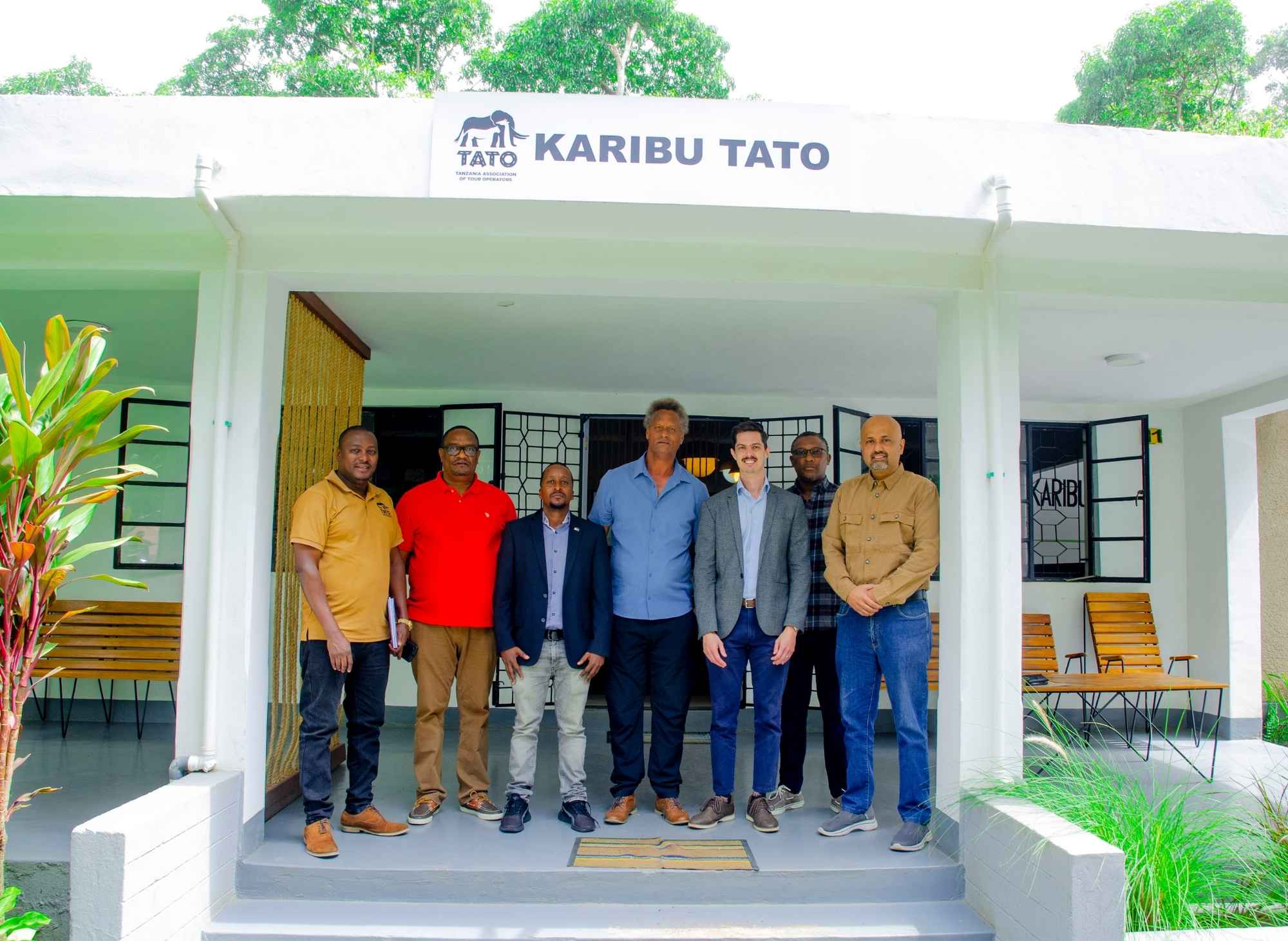
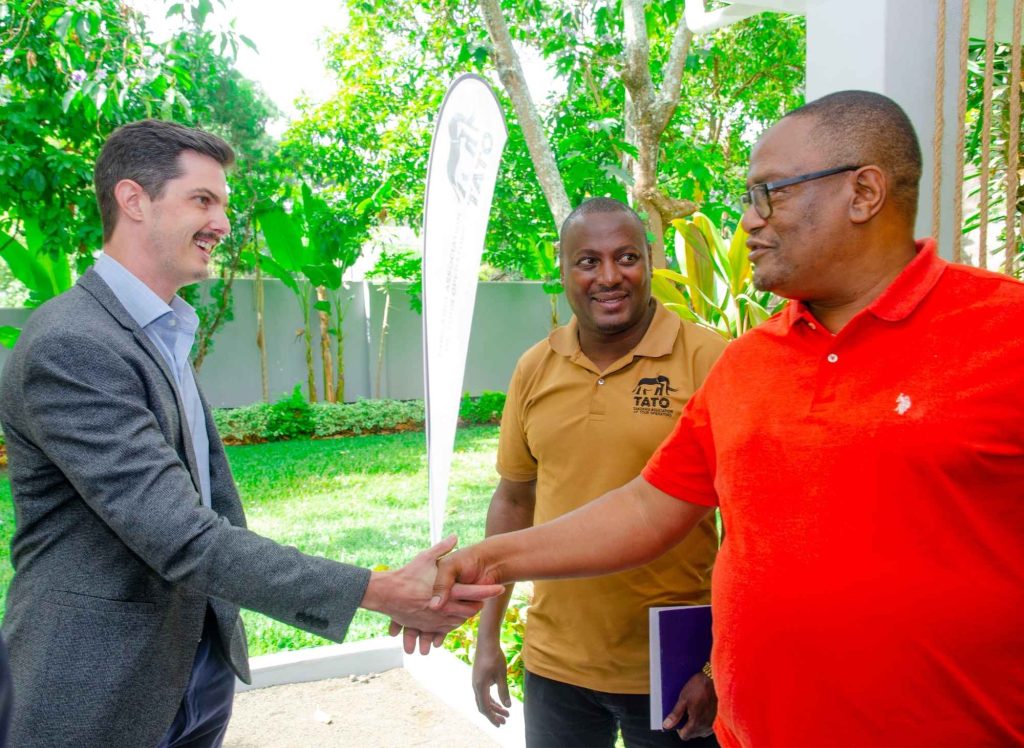
The Tanzania Association of Tour Operators (TATO) held a high-level consultative meeting with senior officials from the U.S. Embassy in Tanzania, led by the Economic Officer, Mr. James Knable. The session, hosted at the TATO Headquarters in Arusha, was chaired by TATO Board Chairman, Mr. Wilbard Chambulo, and attended by members of the TATO Board and Secretariat.
The meeting marked a significant step in strengthening bilateral engagement between Tanzania’s tourism private sector and U.S. diplomatic and business institutions. It provided an opportunity for both sides to explore strategic partnerships aimed at boosting trade, expanding investment, and establishing stronger air connectivity between the United States and Tanzania.
Advocating for Trade, Not Aid: A New Approach to U.S.–Tanzania Economic Collaboration
A core message delivered by the TATO leadership was the desire to shift the traditional development paradigm from aid-dependent interactions to mutually beneficial trade-driven partnerships.
TATO emphasized that Tanzania does not need handouts; it needs access, connections, and opportunities that enable the tourism industry to flourish. This approach aligns with Tanzania’s broader economic agenda of promoting private sector growth, increasing foreign direct investment, and positioning tourism as a leading engine of national development.
During the discussions, Chairman Chambulo reiterated:
“Tourism is built on partnerships. What we seek is not aid, but trade—access to the American business community, investment networks, and opportunities to expand our reach. Tanzania has the products; what we need now is strategic linkage.”
The U.S. Embassy delegation expressed strong support for enhancing private sector relations and acknowledged tourism as a priority sector for deeper bilateral cooperation.
Strengthening Business-to-Business (B2B) Partnerships with U.S. Corporate Networks
A major point of discussion was TATO’s interest in building structured relationships with influential American business communities—particularly through institutions such as:
- The American Chamber of Commerce (AmCham)
- U.S. corporate tourism and travel associations
- Hospitality and investment groups
- U.S.-based conservation and philanthropic organizations
TATO expressed that connecting Tanzanian tour operators with American businesses creates substantial opportunities for:
- Joint ventures in tourism and hospitality
- Marketing partnerships to boost visitor numbers
- Investment in hotels, lodges, aviation, and technology
- Co-branding and destination promotion
- Knowledge exchange and sector innovation
The U.S. Embassy agreed to explore ways to facilitate introductions, meetings, and business missions that connect Tanzanian stakeholders with American private sector networks.
Pushing for Direct Flights: A Game-Changer for Tourism Growth
One of the most impactful issues discussed was the long-standing need for direct flights between the United States and Tanzania.
Currently, American travelers must connect through multiple airports in Europe or the Middle East, increasing travel time and cost. TATO highlighted that:
- The U.S. is among Tanzania’s fastest-growing long-haul markets.
- Direct flights would significantly boost arrivals, especially to the Northern Circuit, Zanzibar, and Southern Circuit.
- The move would enhance cargo opportunities, investment flows, and tourism competitiveness.
TATO requested the U.S. Embassy’s support in:
- Engaging U.S. airlines to explore feasibility studies for direct routes.
- Strengthening bilateral aviation dialogue between U.S. aviation authorities and Tanzania.
- Supporting promotional efforts that demonstrate Tanzania’s market potential.
The U.S. team acknowledged the strategic importance of connectivity and agreed to work closely with relevant stakeholders—including the U.S. Department of Transportation, airlines, and the Government of Tanzania—to advance conversations around direct U.S.–Tanzania flights.
Attracting Larger U.S. Investments into Tanzania’s Tourism Sector
TATO used the meeting to highlight the immense investment potential within Tanzania’s tourism industry. With globally recognized assets such as: Serengeti National Park, Mount Kilimanjaro, Ngorongoro Crater, The Zanzibar Archipelago, Selous/Nyerere National Park, Ruaha and Katavi Wildernesses

The sector is ripe for large-scale U.S. investments spanning:
- Luxury lodges, hotels, and camps
- Safari technology systems and digital solutions
- Tour operations, aviation, and charter services
- Conservation tourism initiatives
- Hospitality training institutions
- Eco-friendly infrastructure and renewable energy projects for tourism
TATO called on the U.S. Embassy to support:
- Investment missions and roadshows showcasing Tanzania’s opportunities
- Policy dialogue to encourage U.S. private sector confidence
- Linkages between investors and credible Tanzanian partners
- Awareness initiatives demonstrating the stability and profitability of Tanzania’s tourism sector
The Economic Officer, Mr. Knable, reaffirmed that the U.S. Embassy is committed to supporting business partnerships and promoting U.S. investment in strategic sectors such as tourism.
The Role of TATO: Championing Growth, Advocacy, and Global Competitiveness
Throughout the meeting, the TATO leadership emphasized its long-standing role as the leading private-sector voice for tourism in Tanzania.
TATO’s mandate centers on:
Advocacy & Lobbying
Engaging policymakers to ensure the regulatory environment supports tourism’s growth.
Research & Marketing
Providing data-driven insights and marketing Tanzania at global platforms, trade fairs, and conferences.
Capacity Building
Training safari guides, operators, SMEs, and stakeholders to enhance quality and professionalism.
Public–Private Partnership Coordination
Building strong ties with government institutions, diplomatic missions, investors, and development partners.
Promoting Responsible and Sustainable Tourism
Championing conservation, community inclusion, ethical safari practices, and environmental stewardship.
The meeting with the U.S. Embassy aligns directly with these roles—particularly in promoting investment, strengthening international relations, enabling ease of doing business, and expanding Tanzania’s global footprint.
A Positive Step Toward Stronger U.S.–Tanzania Tourism Relations
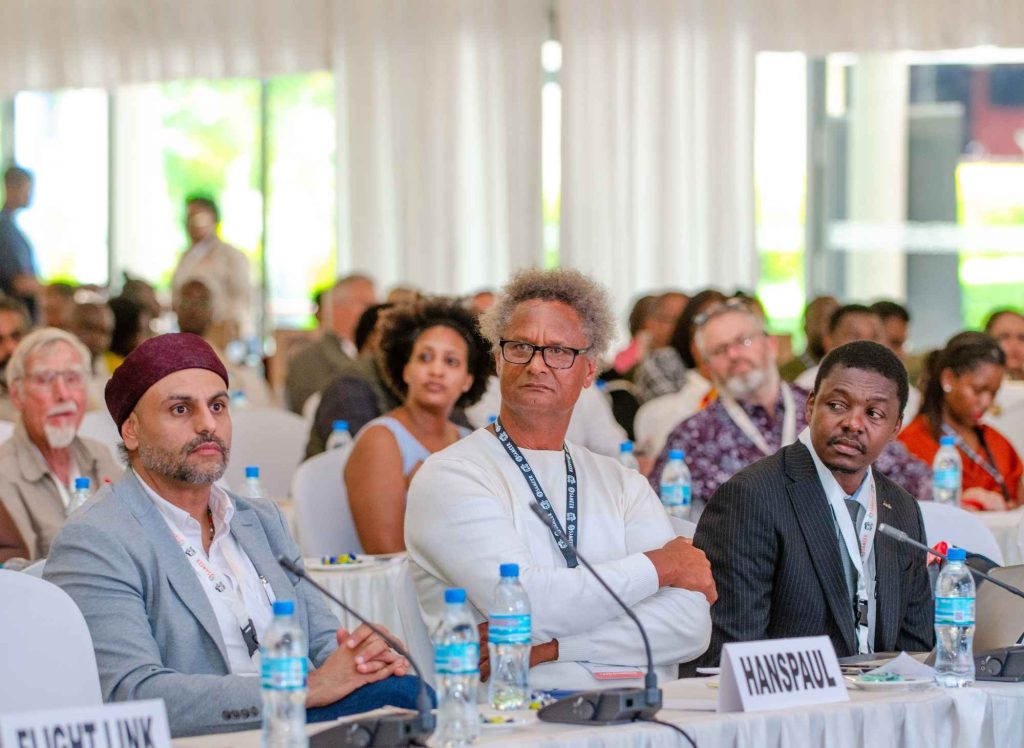
The session concluded with strong commitment from both sides to deepen collaboration. Importantly, both parties agreed to conduct a second meeting early next year to put up a proper plan for implementation of the issues we both think will promote business growth on both parties — USA and Tanzania.
The session concluded with a shared commitment to deepen collaboration in the months ahead. Both sides agreed to continue structured engagements to advance:
- The pursuit of direct U.S.–Tanzania flights
- Enhanced B2B partnerships with U.S. business communities
- Expanded U.S. tourism investments in Tanzania
- Stronger two-way trade relations between the industries
- Improved policy coordination for tourism sector growth
TATO expressed its appreciation to the U.S. Embassy team for their openness, engagement, and willingness to collaborate.
“This marks the beginning of a stronger, more strategic relationship between Tanzania’s tourism industry and the United States. Together, we can unlock new opportunities that benefit both nations,”
said Chairman Chambulo at the close of the meeting.
Looking Ahead
As Tanzania continues to position itself as Africa’s leading nature-based destination, partnerships such as this one are essential for long-term success.
TATO remains committed to ensuring that:
- Tanzania’s tourism sector remains globally competitive
- New markets and business linkages are established
- The private sector has a stronger voice in policy and international relations
- Tanzania continues to attract high-value travelers and investors
Through these efforts, the tourism industry will continue to play its pivotal role in driving national economic growth, job creation, conservation support, and community development.


