Promoting Responsible Tourism: Understanding Wildlife Trophy Regulations in Tanzania and the Role of TATO
Tanzania is globally celebrated for its extraordinary wildlife, vast protected areas, and strong conservation legacy. From the iconic Serengeti ecosystem to the diverse marine and terrestrial species found across the country, wildlife remains the backbone of Tanzania’s tourism industry and a national heritage that must be safeguarded for future generations.
As international travel continues to grow, so does the responsibility of ensuring that visitors fully understand Tanzania’s laws governing Wildlife Trophy protection – particularly regulations concerning wildlife trophies and wildlife-derived products. Tourist awareness in this area is not only a legal necessity but a vital component of ethical and sustainable tourism.
Understanding Wildlife Trophies and Wildlife-Derived Products
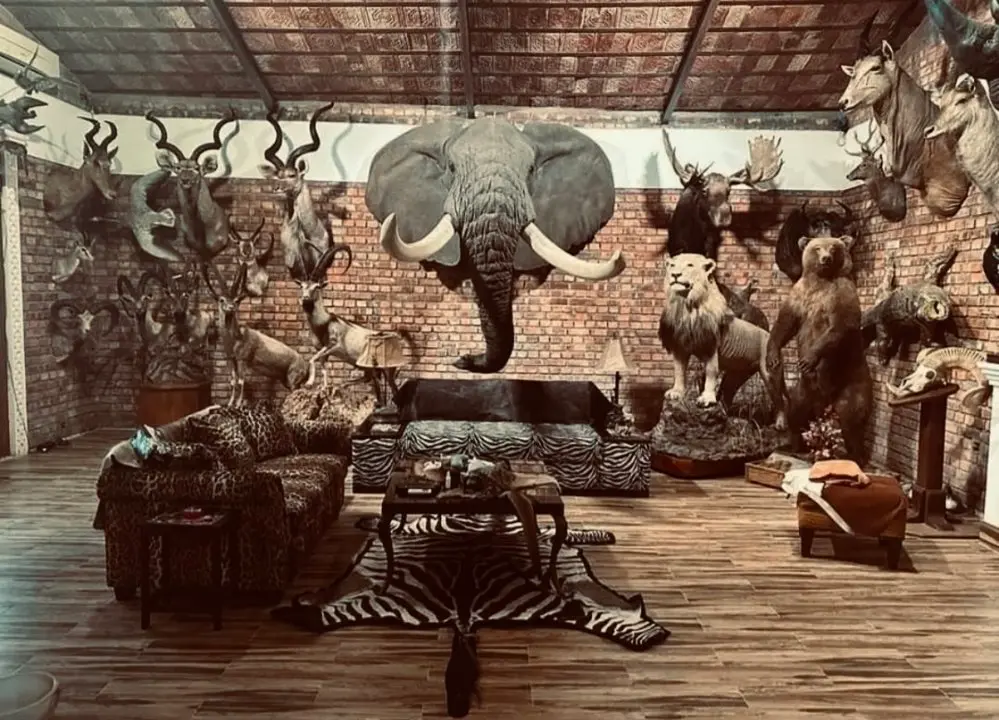
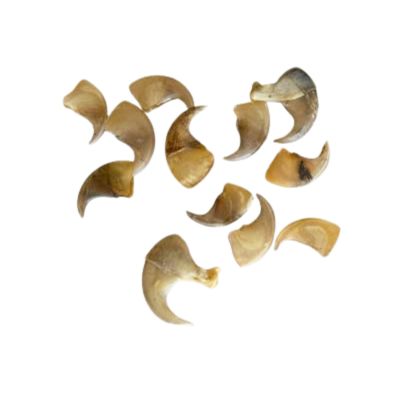
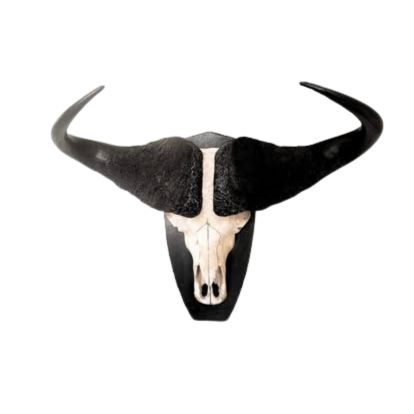
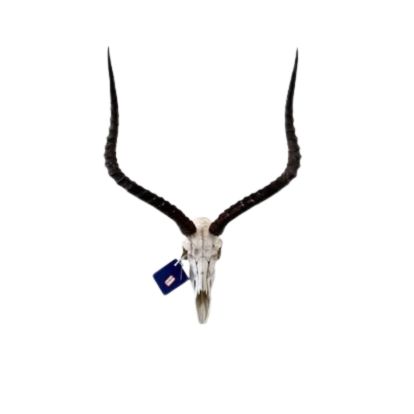
Wildlife Trophy and wildlife-derived products include items made from or containing parts of wild animals and plants. These may range from skins, ivory, horns, bones, shells, feathers, coral, and timber products, to souvenirs and ornaments obtained from wildlife species. Many of these species are protected under Tanzanian law as well as international conventions.
The movement, possession, purchase, or export of such items without proper authorization is strictly regulated. In many cases, it is entirely prohibited. Visitors who unknowingly purchase restricted items may face serious legal consequences, including confiscation, fines, prosecution, and travel disruptions at points of exit .



Legal Framework Governing Wildlife Products in Tanzania
Tanzania has established comprehensive wildlife conservation laws to regulate the utilization and protection of wildlife resources. These laws are supported by international agreements such as the Convention on International Trade in Endangered Species of Wild Fauna and Flora (CITES), to which Tanzania is a party to CITES but also ratified to CITES and once more a signatory to it.
Key details regarding Tanzania and CITES:
- Ratification: Tanzania ratified the convention on November 29, 1979.
- Entry into Force: CITES entered into force for Tanzania on February 27, 1980.
- Implementation: Tanzania implements CITES through the Wildlife Conservation Act (1974, revised 2009) and specific CITES Regulations (2005, updated in 2018).
- Management Authority: The Director of Wildlife in the Ministry of Natural Resources and Tourism is designated as the CITES Management Authority.
Under these frameworks:
- Export or import of wildlife trophies requires official permits from relevant authorities.
- Certain species and products are fully protected and cannot be traded under any circumstances.
- Tourists are prohibited from purchasing wildlife products from unauthorized dealers or informal markets.
- Ignorance of the law does not exempt visitors from liability.
Strict enforcement at airports, border posts, and ports of exit ensures compliance and reinforces Tanzania’s commitment to conservation.
Why Tourist Awareness Is Critical
Many violations occur not out of malicious intent, but due to lack of information. Tourists may purchase souvenirs believing them to be harmless cultural items, only to later discover they are derived from protected wildlife species.
Raising awareness before and during travel is therefore essential. Informed tourists are better equipped to:
- Make ethical purchasing decisions
- Avoid illegal wildlife trade
- Support conservation-friendly livelihoods
- Protect themselves from legal risks
Responsible tourism begins with knowledge, and awareness is one of the strongest tools in wildlife protection.
The Role of TATO in Championing Responsible and Legal Tourism
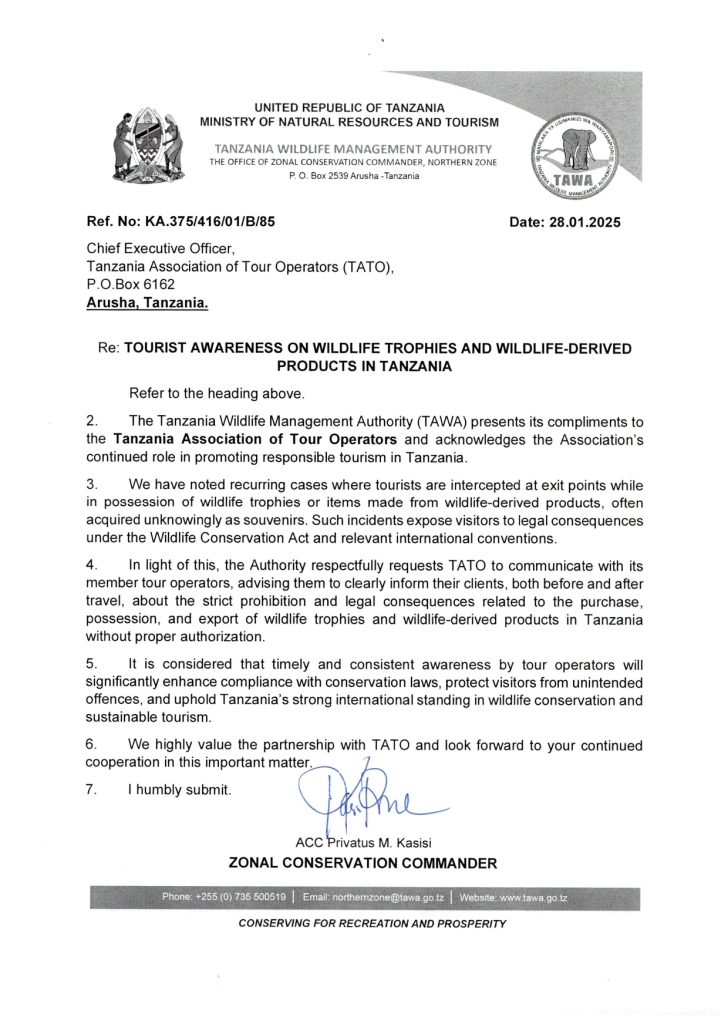
The Tanzania Association of Tour Operators (TATO), as the leading private-sector voice of the tourism industry, plays a central role in ensuring that wildlife protection regulations are clearly communicated and respected by both operators and visitors.
1. Industry Awareness and Compliance
TATO works closely with government institutions, including wildlife and conservation authorities, to disseminate accurate information on wildlife laws to its members. Tour operators are encouraged—and expected to brief their clients on prohibited items, legal requirements, and conservation responsibilities before and during safaris.
2. Promoting Ethical Safari Practices
Through its Code of Conduct and Ethics, TATO promotes responsible tourism practices that respect wildlife, local communities, and national laws. This includes discouraging any engagement with illegal wildlife trade and ensuring that tourism activities do not contribute to biodiversity loss.
3. Capacity Building and Training
TATO supports training programs for tour guides, drivers, and frontline tourism professionals, equipping them with the knowledge to educate tourists on conservation laws, wildlife protection, and acceptable behavior in protected areas.
4. Advocacy and Public – Private Collaboration
As a key stakeholder, TATO advocates for strong enforcement of wildlife regulations while supporting awareness campaigns that target international markets. By working with embassies, tourism boards, and international partners, TATO helps position Tanzania as a destination that values sustainability, legality, and conservation leadership.
The Shared Responsibility of Conservation
Protecting wildlife and Wildlife Trophy is a shared responsibility. Government authorities provide the legal framework and enforcement, tour operators act as educators and gatekeepers, and tourists play a crucial role through informed and ethical choices.
When visitors refrain from purchasing wildlife-derived products, they help dismantle illegal supply chains, reduce poaching pressure, and support conservation-based tourism models that benefit local communities and the national economy.
A Call to Action for Visitors and Industry Stakeholders
TATO urges all visitors to Tanzania to:
- Seek guidance only from licensed and reputable tour operators
- Avoid purchasing Wildlife Trophy products of any kind unless clearly authorized
- Ask questions before buying souvenirs
- Respect conservation laws and cultural values
Likewise, TATO members are encouraged to remain proactive in educating clients, reporting suspicious activities, and upholding Tanzania’s reputation as a world-class, responsible tourism destination.
Conclusion
Tourism thrives when wildlife thrives. Awareness of wildlife trophy regulations is not a restriction on travel, but a safeguard for Tanzania’s natural heritage and the integrity of its tourism industry.
Through collaboration, education, and ethical practices, Tanzania can continue to welcome the world while preserving the very resources that make it unique. TATO remains committed to leading this effort – championing responsible tourism, strengthening compliance, and ensuring that conservation and tourism grow hand in hand.


