
Is Sustainable Tourism Enough Anymore? Exploring the Rise of Regenerative Tourism

For many years, the global tourism industry has embraced the concept of sustainable tourism – a model focused on reducing environmental harm, protecting cultural heritage, and ensuring that tourism activities do not deplete the natural and social resources that destinations depend on.
Sustainable tourism has played an important role in guiding how tourism businesses operate, encouraging responsible use of natural resources, supporting conservation, and promoting respect for local cultures. In countries like Tanzania, where tourism is closely tied to wildlife conservation, protected areas, and community livelihoods, sustainability has been a guiding principle for both public and private sector stakeholders.
However, as tourism continues to grow worldwide, a new concept is beginning to gain traction among industry leaders, policymakers, and researchers: regenerative tourism.
Rather than simply reducing tourism’s negative impacts, regenerative tourism asks a more ambitious question: Can tourism actively improve destinations and leave them better than they were before?

Moving Beyond Sustainability
Traditional sustainability frameworks often focus on minimizing damage – reducing carbon emissions, limiting waste, protecting wildlife habitats, and preserving cultural sites.
Regenerative tourism takes this idea a step further. Instead of merely sustaining the current state of a destination, regenerative tourism aims to restore, strengthen, and revitalize the places where tourism occurs.
It recognizes that tourism, when carefully designed and managed, can become a powerful tool for environmental restoration, cultural renewal, and community empowerment.
What Regenerative Tourism Looks Like
Regenerative tourism initiatives can take many forms, depending on the nature of the destination and the needs of local communities. At its core, regenerative tourism seeks to ensure that tourism contributes positively to ecosystems and societies.
Examples of regenerative tourism include:
Supporting community-owned tourism initiatives that allow local residents to participate directly in the tourism economy and benefit from visitor spending.
Investing in conservation programs that restore wildlife habitats, protect biodiversity, and strengthen the long-term sustainability of protected areas.
Promoting local culture, crafts, traditions, and heritage experiences that empower communities to preserve their identities while sharing them with visitors.
Encouraging travelers to actively contribute to destinations through responsible travel behavior, conservation participation, and meaningful cultural exchange.
Under this model, tourism is no longer viewed simply as an economic activity but as a collaborative system that strengthens both people and nature.
Why This Matters for the Future of Tourism
Tourism remains one of the most powerful economic sectors in many developing countries, including Tanzania. The industry creates employment, generates foreign exchange, and supports the conservation of wildlife and natural landscapes.
At the same time, tourism growth can place pressure on ecosystems, infrastructure, and communities if not carefully managed. Overcrowding, environmental degradation, and unequal distribution of benefits are challenges that destinations around the world continue to face.
Regenerative tourism invites the industry to rethink its role. Instead of asking only how tourism can reduce its impact, stakeholders begin to explore how tourism can actively repair ecosystems, strengthen communities, and enhance cultural vitality.
This shift in thinking is particularly relevant for destinations rich in biodiversity and cultural heritage, where tourism can serve as a catalyst for long-term environmental protection and social development.
The Role of TATO: Championing Responsible and Regenerative Tourism
As the leading private-sector tourism association in Tanzania, the Tanzania Association of Tour Operators (TATO) plays a critical role in guiding the industry toward more responsible and forward-thinking tourism models.
TATO works closely with tour operators, conservation institutions, communities, and government stakeholders to ensure that tourism development supports both economic growth and environmental stewardship.
1. Advocacy for Responsible Tourism Policies
TATO engages with policymakers and regulatory bodies to promote tourism frameworks that balance economic development with environmental protection and community welfare. Through advocacy and dialogue, the association encourages policies that support sustainable and regenerative tourism practices.
2. Supporting Conservation and Environmental Stewardship
Tanzania’s tourism success is closely tied to the health of its wildlife ecosystems and protected areas. TATO actively supports conservation initiatives, anti-poaching programs, and responsible safari practices that protect the country’s natural heritage while ensuring tourism contributes to its preservation.
3. Empowering Communities through Tourism
Tourism has the potential to transform rural communities by creating employment and supporting local enterprises. TATO encourages tourism models that involve communities directly in tourism value chains, helping ensure that local populations benefit from tourism activities.
4. Capacity Building for Tourism Professionals
Through training programs, industry workshops, and knowledge-sharing initiatives, TATO helps tourism professionals adopt responsible practices that align with global sustainability and regenerative tourism trends.
5. Promoting Tanzania as a Responsible Tourism Destination
By representing the private tourism sector at international trade fairs, conferences, and global platforms, TATO promotes Tanzania as a destination where tourism supports conservation, community livelihoods, and long-term environmental sustainability.
A New Mindset for the Tourism Industry
The concept of regenerative tourism challenges tourism professionals to think beyond visitor numbers and revenue generation. It encourages the industry to design experiences that actively contribute to ecological restoration, cultural vitality, and social well-being.
For tourism professionals, students, and industry stakeholders, this shift represents an opportunity to reimagine tourism as a force for positive transformation.
Looking Ahead
As global travelers increasingly seek meaningful and responsible travel experiences, regenerative tourism may become an important direction for the future of the industry.
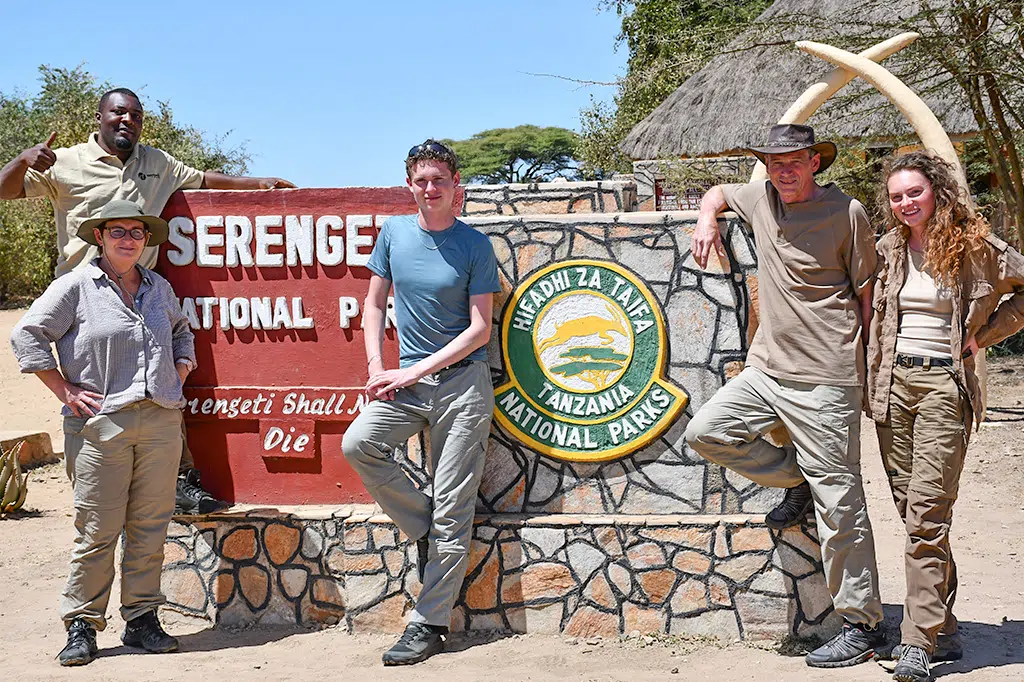
For Tanzania, a country blessed with extraordinary wildlife, landscapes, and cultural diversity, the potential for regenerative tourism is immense.
With organizations like TATO continuing to champion responsible tourism practices and collaborative partnerships, the tourism sector can evolve beyond sustainability toward a model where tourism not only protects destinations – but actively helps them thrive.
The question for the industry is no longer simply how tourism can reduce harm, but rather how tourism can contribute to restoration, resilience, and renewal.


