
Beyond the Guidebook: Why Local Insight Matters More Than Ever in Tanzanian Tourism
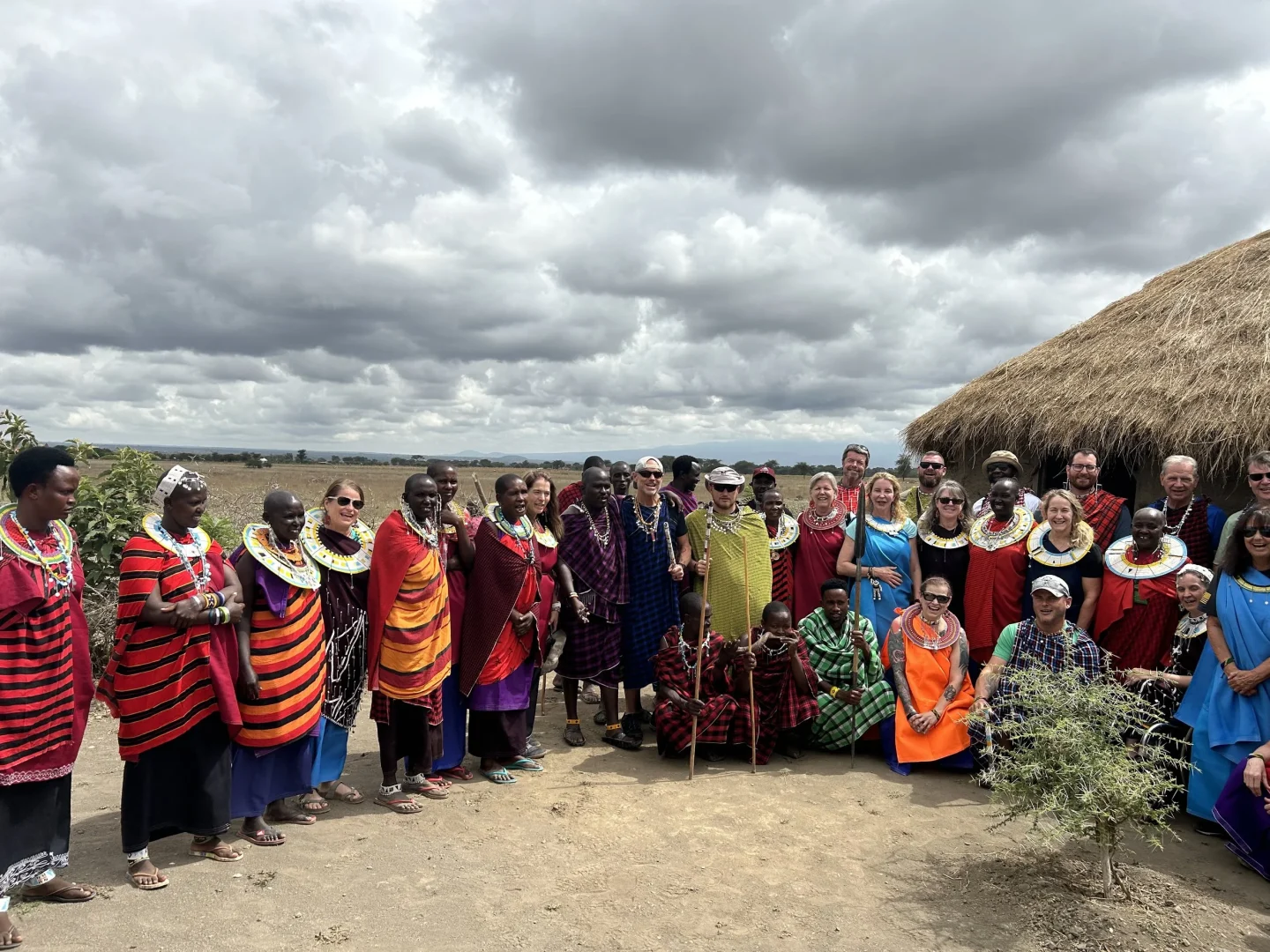
Tanzanian tourism has evolved significantly over the past decade. Today’s travelers are not simply looking for beautiful lodges or iconic landmarks like the Serengeti plains or the summit of Kilimanjaro, they are looking for experiences that feel personal, authentic, and genuinely connected to the land and people of Tanzania.
More than ever, travelers want to understand the culture behind a place. They want to experience the rhythm of Maasai village life, discover the traditions of the Chagga on Kilimanjaro’s slopes, sit with fishermen on Lake Tanganyika at dawn, and engage with Tanzania in a way that feels meaningful rather than transactional. In many ways, travel to Tanzania has become less about checking parks off a list and more about creating moments that feel memorable, immersive, and emotionally rewarding.
This shift is changing the expectations placed on travel advisors and tour operators alike. Access to information has never been greater, yet travelers increasingly recognize that online recommendations and generic seven-day safari itineraries often only scratch the surface of what Tanzania has to offer. What many people truly value today is insight, the kind that comes from local relationships, destination expertise, and thoughtfully curated experiences.
At TATO, we believe some of the most rewarding travel experiences in Tanzania come from going beyond the guidebook. Stepping outside the well-trodden Northern Circuit and exploring the country’s quieter regions and small towns, where the pace is slower, safari vehicles are fewer, and the crowds are far smaller.
Why Modern Travelers Want More Than Traditional Safari Sightseeing
For many years, a Tanzanian holiday was often defined by which lodge a traveler stayed in, how many of the Big Five they photographed, and whether they witnessed the wildebeest migration. While those elements still matter enormously, traveler expectations have evolved considerably.
Today’s travelers increasingly value experience over simple amenity. They are looking for journeys that feel thoughtfully designed, culturally engaging, and personally enriching. The experience itself has become the destination’s true luxury.
Travelers to Tanzania are increasingly drawn to:
- Regional culinary experiences, from Zanzibari spice cooking to Swahili coastal cuisine
- Local storytelling and oral history
- Artisan traditions, including Makonde carving and Tingatinga art
- Cultural interaction with Maasai, Hadzabe, Chagga, and coastal Swahili communities
- Wellness and slower-paced travel across the highlands and coast
- More personalized, less rigid itineraries
Rather than moving quickly between a handful of famous parks, many travelers now prefer to spend more time within a single region – whether that is the southern wilderness of Ruaha or the shores of Lake Tanganyika – allowing for deeper exploration and a more meaningful understanding of local life. This evolution has also changed how travelers define authenticity. A great Tanzanian journey no longer needs to feel formal, rushed, or overly structured.
Increasingly, travel to Tanzania is about emotional connection as much as physical destination.

The Difference Between Visiting Tanzania and Truly Experiencing It
There is a significant difference between seeing Tanzania and understanding it.
Traditional sightseeing often focuses on major landmarks – the Ngorongoro Crater rim, the Serengeti’s river crossings, the beaches of Zanzibar, but meaningful travel experiences usually happen beyond the surface. They come from context, perspective, and local insight.
A traveler can visit the Serengeti and still leave without truly understanding the Maasai communities living alongside it, the conservation challenges the ecosystem faces, or the deep history woven into the land. By contrast, immersive travel experiences allow travelers to engage with Tanzania in ways that feel more personal and memorable.
This might include:
- Discovering a coastal town like Bagamoyo through its markets, dhow builders, and historic ruins
- Learning local customs and traditions directly from community members
- Exploring lesser-visited regions such as the Southern Highlands
- Meeting artisans, farmers, and craftspeople in rural villages
- Attending local festivals and cultural ceremonies
- Hearing historical stories from guides who deeply understand the region, from the slave trade routes of the coast to the rock art of Kondoa
Importantly, cultural immersion does not mean sacrificing comfort or quality. In fact, many of today’s most discerning travelers are specifically looking for experiences that combine premium service with deeper local engagement, a private cultural visit paired with a luxury tented camp, for example, rather than one at the expense of the other.
Authenticity and comfort are no longer viewed as opposites in Tanzanian tourism. The most successful modern travel experiences blend both seamlessly.
Why Insider Knowledge Matters More Than Ever in Tanzania’s Travel Landscape
In today’s digital world, travelers have access to endless travel information. Social media, online reviews, AI-generated itineraries, and travel apps have made researching a Tanzanian safari more accessible than ever before.
Yet despite this abundance of information, travelers increasingly recognize that truly exceptional journeys still depend on expertise. Online recommendations often lack nuance, seasonal understanding, and real-time perspective. They rarely account for migration patterns, road conditions during the rains, park entry regulations, or the subtle details that shape how a destination is actually experienced on the ground.
Insider knowledge helps elevate travel in ways that generic recommendations cannot. Experienced Tanzanian destination specialists understand:
- The best times to visit each circuit, from the dry-season game viewing of Ruaha to the green-season birding of the Southern Highlands
- How to avoid overcrowded viewpoints and river crossings
- Which cultural experiences feel authentic rather than staged
- How to structure itineraries comfortably, at a traveler’s own pace, across Tanzania’s vast distances
This expertise becomes especially valuable in a country where geography, logistics, and cultural diversity require deeper local understanding — moving between the highlands, the Rift Valley, the western lakes, and the coast is not a matter of a single road trip, but a carefully coordinated journey.
In many ways, insider knowledge has become one of the defining elements of premium Tanzanian travel. Travelers increasingly value not just access to the country’s parks, but informed access — experiences curated with thought, cultural understanding, and local perspective.

The Growing Importance of Local Partnerships in Tanzanian Tourism
Meaningful travel experiences in Tanzania rarely happen in isolation. They are made possible through strong local relationships and trusted partnerships between licensed tour operators, guides, communities, and conservation authorities.
Behind every seamless Tanzanian safari is usually a network of knowledgeable guides, regional experts, hospitality partners, and community liaisons who help bring a destination to life. These relationships matter for many reasons.
Operationally, strong local partnerships help ensure consistency, flexibility, and personalized service, even in Tanzania’s more remote circuits where infrastructure can be limited. They allow travel experiences to feel more natural and less transactional.
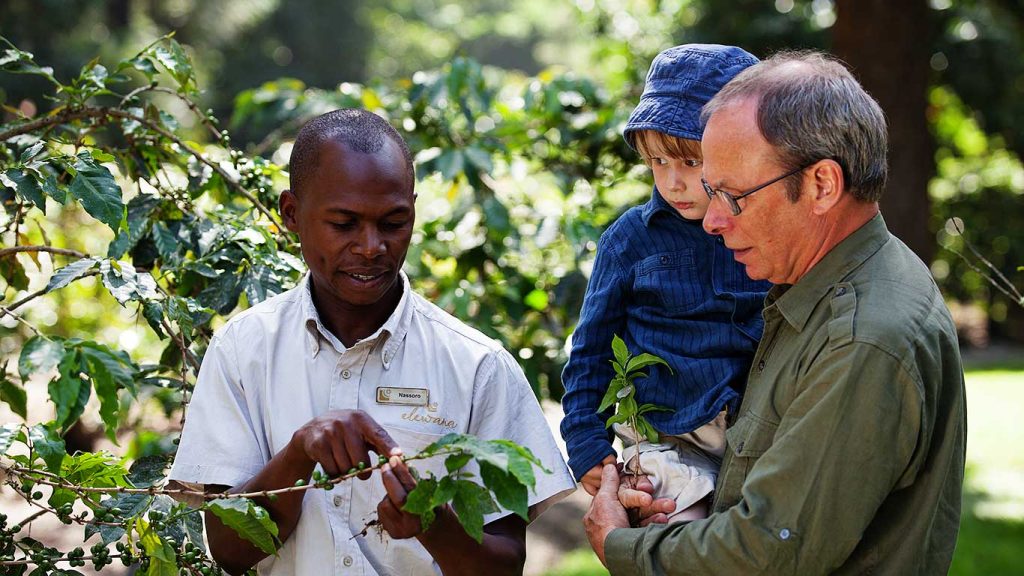
Culturally, local partnerships create opportunities for travelers to engage with Tanzania in more authentic ways. Experienced local guides can provide historical insight, cultural understanding, and personal perspective that enrich the overall journey far beyond what a guidebook or app can offer.
Local expertise also allows travelers to move beyond surface-level Tanzanian Tourism. Whether it is discovering regional culinary traditions along the Swahili coast, understanding cultural etiquette when visiting a Maasai boma, or exploring areas less commonly included in standard itineraries such as Katavi or Mahale, these details help create more rewarding travel experiences.
At the same time, local partnerships play an essential role in responsible Tanzanian Tourism. Thoughtful collaboration with local communities, guides, and businesses helps ensure that Tanzanian Tourism revenue benefits the people who call these landscapes home, a principle that lies at the heart of sustainable tourism in Tanzania.
As travelers increasingly seek authenticity and personalization, trusted local relationships have become one of the most valuable components of Tanzanian travel planning.
How Cultural Immersion Creates More Memorable Tanzanian Journeys
The experiences travelers remember most from a trip to Tanzania are often not the most extravagant, they are the most meaningful.
A conversation with a Maasai elder, a traditional cooking lesson in a Zanzibari kitchen, an early-morning walk with a Hadzabe hunting party, or an afternoon exploring a coastal artisan workshop can leave a far deeper impression than simply photographing a lion from a vehicle window.
These moments create emotional connection. They give travelers a sense of understanding and perspective that transforms how they experience the country. Cultural immersion also creates a stronger sense of place. Travelers begin to understand not only what makes Tanzania beautiful, but what makes it culturally distinct, the diversity of over 120 ethnic groups, the Swahili coastal heritage, and the living traditions that surround its wildlife landscapes.
This is particularly important in today’s travel landscape, where many visitors are seeking experiences that feel more personal and enriching than a standard safari circuit.
Experiential travel in Tanzania can take many forms:
- Culinary exploration along the coast and in the highlands
- Cultural storytelling and oral history
- Wellness traditions and slower-paced retreats
- Regional history, from ancient rock art to colonial-era trade routes
- Artisan craftsmanship and local markets
- Music, dance, and performance
- Community-based Tanzanian Tourism initiatives
What matters most is that the experience feels thoughtful, respectful, and genuinely connected to the destination itself. Increasingly, travelers are seeking journeys that allow them to return home not only with photographs of the Big Five, but with a deeper understanding of the places they visited and the people they encountered along the way.
Why Travel Advisors Increasingly Value Immersive Tanzanian Specialists
As traveler expectations evolve, international travel advisors increasingly seek Tanzanian partners who can provide not only operational support, but also meaningful destination expertise.
Clients today often expect highly personalized recommendations, immersive experiences, and thoughtfully curated itineraries. Delivering those experiences requires more than booking logistics alone, it requires insight, relationships, and a strong understanding of Tanzania’s regions, seasons, and cultures.
This is one reason why immersive, locally grounded Tanzanian tour operators have become increasingly valuable within the global luxury travel sector. Trusted operator partnerships help advisors:
- Create more differentiated itineraries beyond the standard Northern Circuit route
- Access culturally enriching experiences unavailable through generic booking platforms
- Navigate the logistical complexity of moving between Tanzania’s circuits
- Deliver more personalized travel recommendations to increasingly discerning clients
At the same time, advisors benefit from working with Tanzanian partners who understand how to balance comfort, logistics, and authenticity in a way that aligns with modern traveler expectations. As experiential travel continues to grow, strong destination expertise is becoming an increasingly important differentiator within the advisor community worldwide.
The Future of Tanzanian Tourism Is Increasingly Experience-Led
Looking ahead, Tanzania’s tourism industry will likely continue moving toward more immersive and experience-focused journeys. Several trends are shaping this evolution:
- Slower travel across fewer regions, explored more deeply
- Wellness-focused itineraries in the highlands and along the coast
- Culinary exploration rooted in Swahili and regional cuisine
- Personalized travel design tailored to individual interests
- Sustainability and conscious Tanzanian Tourism practices
- Culturally immersive experiences built on genuine community partnership
Travelers increasingly value quality over quantity. Rather than trying to see every park in a single trip, many now prefer to engage more deeply with fewer destinations and experiences — spending three unhurried days in Ruaha rather than one rushed day in three different parks.
This shift is also changing how travelers define a meaningful Tanzanian holiday. Increasingly, value is measured by access, understanding, personalization, and emotional connection rather than simply the number of parks visited. As a result, local insight and cultural immersion are becoming central expectations within premium Tanzanian travel.
The Role of TATO in Shaping This Future
None of this evolution happens by chance. It requires coordinated, sector-wide leadership — and that is precisely where TATO’s role becomes essential.
As the umbrella body representing Tanzania’s licensed tour operators, TATO works to ensure that the shift toward deeper, more immersive travel is supported at every level of the industry, not left to individual companies to pursue alone.
- Advocacy for responsible growth. TATO engages with government agencies, park authorities, and policymakers to support Tanzanian Tourism development that protects Tanzania’s ecosystems and cultural heritage while opening new opportunities for operators and communities alike.
- Promoting destination diversity. TATO works to raise international awareness of Tanzania’s full range of experiences, cultural, culinary, and community-based, beyond the well-known safari circuit, helping the world understand Tanzania as a destination of depth, not just a single migration story.
- Standards, training, and professionalism. TATO supports training for guides and operators so that the insider knowledge travelers now expect – seasonal expertise, cultural sensitivity, regional logistics, is consistently available across the industry, not just among a handful of specialist companies.
- Championing community partnership. TATO promotes Tanzanian Tourism models that ensure local communities are genuine partners and beneficiaries of tourism revenue, reinforcing the principle that authentic cultural experiences must also be equitable ones.
- A unified voice for the industry. By bringing operators together around shared standards and a shared vision, TATO helps ensure that Tanzania’s evolution toward experience-led travel reflects the collective interests of the country’s tourism sector and its people, rather than developing unevenly.
Why Local Insight Will Continue to Shape Tanzanian Tourism
Travel to Tanzania today is increasingly shaped by the desire for meaningful experiences and deeper cultural connection. Travelers are looking beyond traditional sightseeing in search of journeys that feel immersive, personal, and enriching.
Insider knowledge and trusted local expertise play an essential role in creating these experiences. They help transform a Tanzanian holiday from something transactional into something memorable — allowing travelers to engage more thoughtfully with the people, traditions, and landscapes that define this extraordinary country.
As Tanzania’s tourism landscape continues to evolve, thoughtfully curated experiences and genuine destination insight will only become more important — not just for travelers, but for the tour operators, guides, and communities helping shape those journeys, and for TATO in its role guiding the industry forward.


