Tourism in Tanzania: A Rising Economic Force and the Role of TATO in Driving Sustainable Growth

Tanzania’s tourism sector continues to demonstrate resilience, growth, and expanding socio-economic impact, as highlighted in the Maliasili Statistical Bulletin 2024. The report confirms that the sector has strengthened significantly over the past year, contributing more revenue, attracting more domestic and international visitors, and reinforcing its position as one of the country’s foremost engines of development. Thanks to The Stakeholders like Tanzania Association of Tour Operators (TATO).
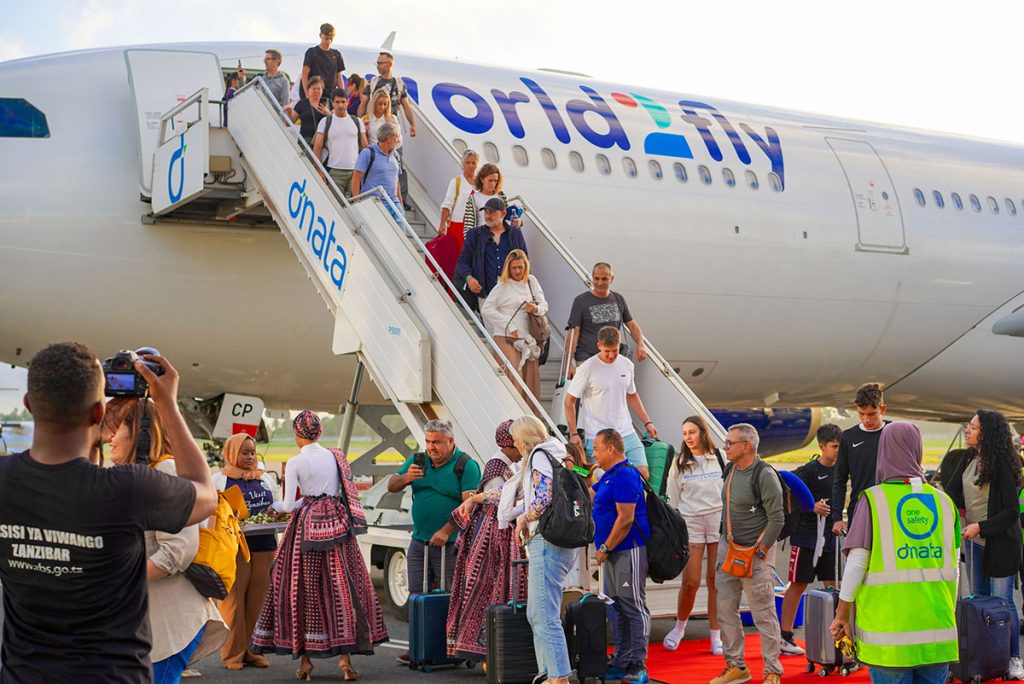
According to the bulletin, international tourist arrivals increased by 1.8% between 2023 and 2024 – a clear indicator that Tanzania’s global competitiveness remains strong despite economic fluctuations, recovery timelines from the COVID-19 pandemic, and shifting market trends. The stability of visitor numbers is particularly notable when compared to other African destinations still struggling to regain pre-pandemic momentum. Tanzania’s diverse tourism circuits – including wildlife parks, beaches, mountains, and cultural sites, continue to attract travelers from Europe, the United States, Asia, and Africa.
The bulletin also reports a corresponding rise in tourism-generated revenue, particularly in Zanzibar, which continues to stand out as a strategic tourism hub, particularly for leisure and cultural tourism-based earnings . This increased revenue reflects continued confidence in Tanzania’s tourism infrastructure, service quality, and destination appeal.

Domestic Tourism: A Growing Economic and Cultural Force
One of the strongest trends in the 2024 report is the surge in domestic tourism. The bulletin highlights a 15% increase in Tanzanian domestic visitors, demonstrating rising disposable income, expanding middle-class travel culture, and increased awareness of tourism’s value within the country .
The findings show that Tanzanians are increasingly exploring national parks, heritage sites, and leisure destinations. An important insight from the data is that education levels strongly influence leisure travel participation. Visitors with higher education levels were more likely to travel for leisure, research, or cultural exploration – suggesting a growing knowledge-based travel trend within the country .
Moreover, the bulletin notes that living arrangements also affect travel behavior, with individuals in stable or dual-income households showing higher travel rates . This shift is crucial for long-term sustainability, as strong domestic tourism cushions the industry during global shocks, fuels community-based tourism, and balances market seasonality.
Tourism’s Expanding Socio-Economic Impact
Tourism remains one of Tanzania’s most influential socio-economic sectors. The 2024 statistics reinforce the industry’s role in:
- Job creation, particularly in guiding, hospitality, transport, conservation, and community tourism.
- Foreign exchange earnings, which continue supporting national development programs.
- Local economic development, especially in rural areas where wildlife and cultural tourism generate community income.
- Conservation financing, with park fees and destination levies contributing significantly to Tanzania’s protected area management and wildlife protection.
As visitation numbers rise, the tourism value chain strengthens – from airlines, travel agencies, and tour operators, to hotels, restaurants, craft markets, and transport services. This chain supports thousands of livelihoods and promotes gender-inclusive and youth-friendly employment across the country.
How TATO Continues to Strengthen Tanzania’s Tourism Landscape
As the bulletin’s findings reaffirm tourism as a stable and expanding sector, the role of the Tanzania Association of Tour Operators (TATO) becomes even more essential. Representing over 450 tour companies, TATO remains a key advocate, facilitator, and industry convener ensuring that the tourism sector continues to thrive.
1. Advocacy and Policy Engagement
TATO’s strongest pillar continues to be its advocacy work. Through regular meetings with the Ministry of Natural Resources and Tourism, TANAPA, NCAA, TTB, Immigration, TRA, ZRA, and other regulatory bodies, TATO ensures that policies remain practical, predictable, and supportive of business growth.
Issues addressed include:
- Licensing and regulatory alignment
- Cross-border operational challenges
- Tax harmonization between Mainland and Zanzibar
- Streamlining of permits and compliance procedures
- Stability of tourism-related fees
This advocacy ensures the operational environment remains conducive for both local and international investors.

2. Promotion of Tourism Circuits
While the bulletin focuses largely on national trends, TATO plays a crucial role in diversifying tourist flows from the traditional Northern Circuit to emerging circuits in the Southern, Western, and Lake Zones.
This helps reduce overcrowding, expand tourism benefits to underserved regions, and promote responsible tourism – aligning closely with national strategies highlighted in the 2024 report.
3. Training, Professionalization & Capacity Building
TATO has invested heavily in the professional development of the tourism workforce. Programs include:
- Driver guide training on the Safari Guiding Code of Conduct & Ethics
- Customer service and safety trainings
- Crisis communication and destination management
- Digital marketing and online booking systems
- Workshops on tax compliance and business formalization
These capacity-building programs directly support the tourism sector’s quality, efficiency, and sustainability.
4. Global Marketing & International Representation
As Tanzania maintains its growing visitor numbers, TATO continues to strengthen the country’s international presence by participating in:
- ITB Berlin
- FITUR Madrid
- MATKA Finland
- World Travel & Tourism Council engagements
- UN Tourism Plenary Sessions
These platforms attract buyers, airlines, investors, and new tourism partnerships.
5. Data-Driven Decision Making
With evidence like that presented in the Maliasili Statistical Bulletin 2024, TATO supports its members by interpreting these insights and aligning them with industry strategies. Understanding visitor trends helps tour operators adjust itineraries, pricing, marketing, and product development.
Aligning the Bulletin Insights with Today’s Tourism Priorities
The bulletin’s findings hold several implications for Tanzania’s tourism future. For example:
- Stable international arrivals signal Tanzania’s reliability as a long-haul African destination.
- Growth in domestic tourism offers resilience against global economic shifts.
- Rising revenue in Zanzibar highlights the importance of integrated Mainland–Island tourism planning.
- Education-driven leisure travel emphasizes future opportunities in cultural, historical, and educational tourism.
- Household travel patterns encourage the development of family-friendly tourism products.
TATO’s ongoing programs align directly with these insights by prioritizing sustainability, diversification, and competitiveness.
Conclusion: A Strong and Sustainable Future for Tanzanian Tourism
The Maliasili Statistical Bulletin 2024 paints a clear picture: Tanzania’s tourism sector continues to grow, diversify, and strengthen its socio-economic contributions. With increasing domestic and international visitation, rising sector revenues, expanding travel culture, and strong institutional support, the industry is well-positioned for sustained success.
As the landscape evolves, TATO remains a central pillar – advocating for operators, promoting Tanzania globally, strengthening professional standards, and ensuring that tourism continues to fuel national development.
Tanzania’s tourism industry is not only recovering – it is reshaping itself for a more innovative, inclusive, and resilient future, and TATO is proud to be at the heart of this transformation.
