Innovations in Wildlife Conservation and Sustainable Tourism: Key Insights from the 15th TAWIRI International Scientific Conference 2025
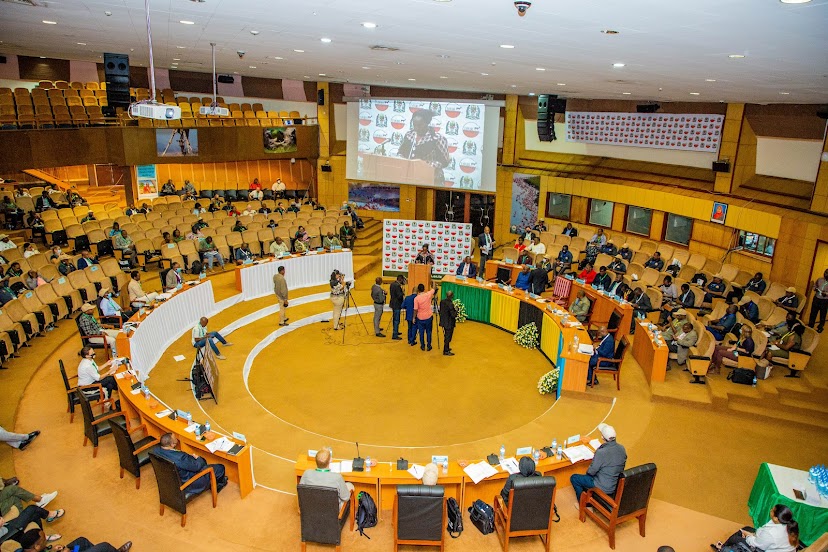
The 15th TAWIRI International Scientific Conference, held from 3–5 December 2025 at the Arusha International Conference Centre (AICC), brought together global researchers, conservation leaders, policymakers, and tourism stakeholders to explore the theme “Innovations in Wildlife Conservation and Sustainable Tourism: Navigating the Future in a Changing World.”
As Tanzania moves deeper into a future shaped by climate change, human–wildlife coexistence challenges, rapid technological innovation, and evolving traveler expectations, the conference highlighted not only the country’s scientific leadership, but also tourism’s central role in national development.
Tourism at the Heart of Tanzania’s Conservation and Development Agenda
Throughout the conference, multiple sessions reinforced the inseparable link between tourism and conservation, especially as tourism remains one of Tanzania’s largest foreign exchange earners. Sustainable tourism presentations stressed technological innovation, climate resilience, and visitor experience enhancement as key drivers for the industry’s future.
Papers under the Sustainable Tourism sub-theme addressed:
- Domestic tourist behavior and segmentation in national parks.
- Accessibility challenges, including tourist vehicles designed for travelers with disabilities.
- Community involvement in tourism, particularly in destinations like Dar es Salaam Zoo.
- Impact of visual media on domestic visitation trends, reflecting rising digital influence on travel decisions.
- Visitor satisfaction in homestay models, indicating emerging demand for culturally immersive experiences.
These insights underscore the importance of evolving tourism products in ways that are inclusive, sustainable, and aligned with modern traveler expectations.
Arusha: A Tourism Hub Supporting Conference Delegates and Global Travelers
The programme also highlighted the unique tourism experiences available around Arusha reinforcing its status as the gateway to the Northern Circuit. Delegates were encouraged to explore iconic attractions including Serengeti, Ngorongoro, Tarangire, and Lake Manyara, along with cultural sites such as Mto wa Mbu, Ilkidinga, Mulala, and the bustling Masai Market.
Additionally, essential services for travelers, visa information, accommodation, accessibility, and on-ground facilities—were outlined within the general information section of the conference guide.
The Role of TATO in Tanzania’s Tourism Ecosystem
The Tanzania Association of Tour Operators (TATO) stood prominently within the programme’s tourism support framework. As the umbrella body representing over 256 tour operators, TATO plays a critical role in facilitating safari tourism, strengthening sector standards, and ensuring quality visitor experiences across Tanzania. The program explicitly directs delegates to TATO for safari bookings and tourism information.
This visibility reflects TATO’s broader national mandate:
- Championing the interests of the tourism private sector.
- Strengthening Tanzania’s global competitiveness.
- Promoting responsible, sustainable tourism practices.
- Enhancing collaboration between government, conservation agencies, and private stakeholders.
- Supporting research-based decision making to improve tourism services.
Through advocacy, capacity building, marketing, and stakeholder engagement, TATO remains an indispensable partner in Tanzania’s efforts to build a modern, resilient, and conservation-driven tourism sector.

Why Sustainable Tourism Research Matters
Sessions from conservation scientists revealed how ecological integrity directly impacts Tanzania’s tourism appeal—ranging from wildlife population dynamics to threats like poaching, wire snaring, invasive species, and habitat fragmentation. For instance, studies on ecological impacts of vehicle-based tourism at the Serengeti–Mara crossings highlighted the need for responsible visitor management to safeguard iconic natural events like the Great Migration.
Likewise, research emphasizing technology-such as AI-assisted monitoring for human–wildlife conflict—demonstrates how innovation enhances both conservation and visitor safety.
Sustainable tourism depends on thriving ecosystems, and this conference showcased the power of integrated research to support informed policy and destination management.
Strengthening Collaboration for a Sustainable Tourism Future
The diverse scientific presentations, policy discussions, and cross-sector engagement at the conference emphasized the necessity of collaboration between researchers, conservation institutions, local communities, and the tourism industry.
TATO’s continued partnership with national agencies – including TAWIRI, TANAPA, TAWA, NCAA, and others – remains critical for:
- Protecting wildlife and habitats that support the safari economy
- Improving community livelihoods through tourism benefits
- Promoting Tanzania’s reputation as a global leader in conservation-based tourism
As Tanzania continues to navigate a changing world, the integration of science, innovation, and responsible tourism practice will ensure that the country’s natural wonders remain protected and celebrated—both for local communities and the millions of travelers who seek the unmatched experience of Tanzania.
