TATO Becomes an Official Member of the Global Sustainable Tourism Council (GSTC), Strengthening Its Commitment to Sustainable Tourism
Membership Connects Tanzania’s Tour Operators to Global Sustainable Tourism Standards and Reinforces TATO’s Role in Advancing Responsible Tourism Practices
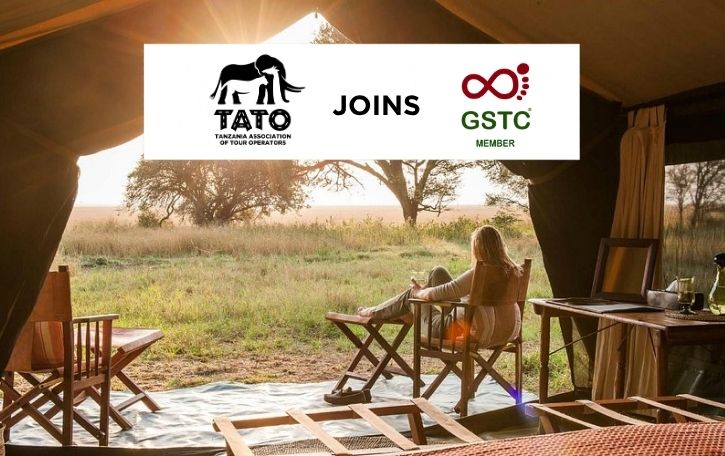
The Tanzania Association of Tour Operators (TATO) has officially become a member of the Global Sustainable Tourism Council (GSTC), marking an important milestone in the Association’s ongoing commitment to promoting responsible tourism, strengthening industry standards, and supporting the long-term sustainability of Tanzania’s tourism sector.
The membership connects TATO with an international organisation dedicated to advancing sustainable travel and tourism through globally recognised standards, knowledge sharing, capacity building, and collaboration among tourism stakeholders. It also provides an opportunity for the Association to strengthen its engagement with international sustainability initiatives while encouraging responsible tourism practices among its members.
As global travellers, tour operators, accommodation providers, and destination managers increasingly recognise the importance of environmental protection, cultural preservation, and community benefits, sustainability has become a central consideration in tourism development. TATO’s membership in Global Sustainable Tourism Council (GSTC) reflects the growing importance of aligning Tanzania’s tourism industry with international sustainability principles while recognising the country’s unique natural heritage, cultural diversity, and community-based tourism opportunities.
For Tanzania, whose tourism appeal is closely connected to its wildlife, protected areas, landscapes, cultural heritage, and coastal ecosystems, sustainable tourism is essential to preserving the resources that attract visitors from around the world.
The membership also reinforces TATO’s role as an industry association representing tour operators and advocating for a tourism environment that balances business growth, conservation, community participation, and long-term economic value.
Understanding the Global Sustainable Tourism Council (GSTC)
The Global Sustainable Tourism Council (GSTC) is an independent international non-profit organisation that establishes and manages global standards for sustainable travel and tourism. These standards provide a common framework for understanding, evaluating, and improving sustainability practices across different segments of the tourism industry.
Global Sustainable Tourism Council (GSTC) brings together a diverse international membership that includes governments, tourism businesses, hotels, tour operators, non-governmental organisations, communities, and other stakeholders working to advance sustainable tourism.
Its mission is to promote greater knowledge, understanding, adoption, and demand for sustainable tourism practices, with the broader vision of ensuring that tourism contributes positively to social, cultural, environmental, and economic development.
For TATO, joining this international network creates an opportunity to engage with global sustainability discussions, learn from industry stakeholders, and strengthen the Association’s understanding of emerging standards and practices relevant to Tanzania’s tourism sector.
The membership also places greater emphasis on the importance of ensuring that sustainability is not treated merely as a marketing concept, but as an ongoing commitment to responsible management, environmental stewardship, cultural respect, and meaningful community benefits.
GSTC Standards: A Global Framework for Sustainable Tourism
One of Global Sustainable Tourism Council (GSTC)’s most important contributions to the tourism industry is the development and management of global sustainability standards covering different tourism businesses and destinations.
These standards are designed to establish a shared understanding of what sustainable tourism means while allowing implementation to reflect local circumstances, laws, cultures, environments, and business activities.
The standards cover six principal areas:
- GSTC Destination Standard: Guidance for destination managers and public-sector policymakers seeking to improve destination sustainability.
- GSTC Hotel Standard: Guidance for hotels and accommodation providers on sustainable operations and management.
- GSTC Tour Operator Standard: Guidance for tour operators seeking to integrate sustainability into their products, business management, and supply chains.
- GSTC MICE Standard: Guidance for meetings, incentives, conferences, exhibitions, venues, and event organisers.
- GSTC Attraction Standard: Guidance for tourist attractions, including museums, parks, and other visitor sites.
- GSTC Food and Beverage Standard: Guidance for food and beverage businesses operating within the tourism sector.
For TATO, the GSTC Tour Operator Standard is particularly relevant because it addresses the responsibilities of businesses that design, sell, and deliver travel experiences. It provides a framework for examining how tour operators manage sustainability, contribute to local economies, respect cultural heritage, and reduce environmental impacts.
The standards are organised around four key pillars:
- Sustainable management — ensuring that sustainability is integrated into business planning, policies, and day-to-day operations.
- Socioeconomic impacts — maximising benefits for local communities, supporting decent work, and encouraging responsible economic participation.
- Cultural impacts — respecting and helping protect cultural heritage, traditions, and local identities.
- Environmental impacts — reducing pollution, conserving natural resources, and protecting biodiversity and ecosystems.
Together, these pillars provide a useful framework for understanding how tourism businesses can pursue commercial success while contributing to the long-term wellbeing of destinations and communities.
It is important to distinguish GSTC membership from certification. Membership connects an organisation to GSTC’s international network, but it does not automatically certify the organisation or its members as sustainable. Global Sustainable Tourism Council (GSTC) provides accreditation to independent certification bodies rather than directly certifying individual tourism products or services.
For TATO, the value of membership lies in the opportunity to engage with international sustainability knowledge, strengthen industry dialogue, and encourage the adoption of responsible tourism practices among its members.
Why Sustainable Tourism Matters to Tanzania
Tanzania’s international tourism reputation is closely associated with its exceptional natural and cultural assets. From the Serengeti National Park and the Ngorongoro Conservation Area to Mount Kilimanjaro, the southern safari circuit, Zanzibar’s coastline, and the country’s diverse cultural heritage, tourism depends on the quality and preservation of the destinations that visitors come to experience.
These resources are not only attractions. They are also important foundations for employment, investment, community livelihoods, conservation financing, and the wider national economy.
Sustainable tourism seeks to ensure that the benefits generated by visitors do not come at the expense of the environmental and cultural resources on which the industry depends.
For Tanzania, this involves addressing several interconnected priorities.
1. Protecting Wildlife and Natural Ecosystems
Wildlife and landscapes remain among Tanzania’s strongest tourism assets. Sustainable tourism practices can help reduce waste, encourage responsible resource use, minimise disturbance to wildlife, and support conservation initiatives.
Tour operators play an important role because they influence how visitors access destinations, interact with nature, and understand conservation responsibilities.
2. Strengthening Local Economic Benefits
Tourism creates opportunities for local employment and entrepreneurship through guiding, transport, accommodation, food production, crafts, cultural experiences, and other services.
Responsible tourism can strengthen these connections by encouraging businesses to work with local suppliers, support local employment, and create opportunities for communities to participate meaningfully in tourism value chains.
3. Preserving Cultural Heritage
Tanzania’s cultural diversity is an important part of its tourism offering. Responsible tourism should respect local traditions, community values, heritage sites, and cultural expressions.
Tour operators can help achieve this by providing accurate cultural information, working respectfully with host communities, and ensuring that cultural experiences are developed in ways that recognise local perspectives and interests.
4. Improving Resource Efficiency
Tourism businesses use water, energy, food, transport, and other resources to deliver their services. More efficient resource management can reduce operating costs while limiting environmental impacts.
Practical measures may include reducing single-use plastics, managing waste responsibly, improving energy efficiency, conserving water, and working with suppliers that demonstrate responsible practices.
5. Strengthening International Competitiveness
As awareness of sustainability grows among travellers and tourism businesses, destinations that can demonstrate credible commitments to responsible practices have opportunities to strengthen their market positioning.
Engagement with international sustainability frameworks can help Tanzanian operators understand evolving expectations and identify areas for improvement. GSTC’s work includes promoting the adoption of sustainability standards and increasing knowledge across the tourism industry.
Sustainability should therefore be understood not as an additional burden on tourism, but as an important element of destination resilience, business quality, and long-term competitiveness.
The Role of TATO: Advancing Sustainable Tourism Across Tanzania
TATO’s membership in Global Sustainable Tourism Council (GSTC) reinforces the Association’s opportunity to connect Tanzania’s tour operators with international discussions on sustainability while continuing its core responsibilities of advocacy, member support, industry coordination, and destination promotion.
Established in 1983, TATO represents tour operators and serves as a link between the tourism private sector, government institutions, and other industry stakeholders. Its strategic objectives include promoting tourism services in domestic and international markets, supporting members on technical matters, facilitating public-private sector collaboration, and strengthening Tanzania’s position as a tourism destination.
Within this mandate, sustainable tourism provides an important area for continued engagement and industry development.
1. Promoting International Sustainability Knowledge Among Members
Through its Global Sustainable Tourism Council (GSTC) membership, TATO has an opportunity to engage with international developments in sustainable tourism and share relevant knowledge with its members.
This can help tour operators better understand sustainability principles, identify opportunities to improve their operations, and learn from experiences across different tourism markets.
Potential areas for knowledge sharing include responsible wildlife viewing, waste management, resource efficiency, community engagement, cultural heritage protection, and sustainable supply-chain practices.
By encouraging awareness of internationally recognised sustainability frameworks, TATO can help members make informed decisions about how to strengthen responsible business practices in ways appropriate to their size, operations, and destinations.
2. Supporting Members in Understanding Sustainable Tourism Standards
Many tour operators already undertake activities that contribute to sustainability, including supporting conservation, employing local guides, purchasing from local businesses, and promoting responsible visitor behaviour.
However, these practices can become more effective when they are supported by clear policies, measurable objectives, documented procedures, and continuous improvement.
TATO can help members better understand frameworks such as the GSTC Tour Operator Standard and identify practical ways to incorporate sustainability into their operations.
This may include encouraging members to assess their current practices, identify areas for improvement, and explore relevant training or independent certification opportunities where appropriate.
The objective is to make sustainability understandable and actionable for businesses of different sizes rather than treating it as a requirement accessible only to large tourism companies.
3. Strengthening Advocacy for Sustainable Tourism Policies
Sustainable tourism requires cooperation between the private sector, government, conservation authorities, destination managers, communities, and other stakeholders.
TATO’s established advocacy role provides a platform for bringing tour operators’ experiences and concerns into these discussions.
Through constructive engagement with relevant institutions, the Association can contribute industry perspectives on matters such as waste management, conservation, infrastructure, environmental protection, destination planning, and policies affecting responsible tourism operations.
TATO can also advocate for an enabling environment in which businesses have the information, infrastructure, and practical support needed to adopt more sustainable practices.
This includes encouraging policies that recognise the relationship between tourism growth, conservation, community benefits, and the long-term protection of Tanzania’s natural and cultural heritage.
4. Encouraging Community Participation and Local Economic Benefits
Sustainable tourism must generate benefits beyond the businesses that directly serve visitors.
Local communities contribute to tourism through employment, cultural knowledge, food production, transport, crafts, and a wide range of other goods and services.
TATO can encourage its members to strengthen these connections by sourcing locally where practical, supporting local entrepreneurship, creating employment opportunities, and developing respectful relationships with communities in tourism destinations.
These efforts can help tourism spending circulate within local economies while creating stronger relationships between tourism businesses and the people who live in and around the destinations they promote.
For Tanzania, where many communities live close to wildlife areas and other tourism attractions, inclusive economic participation is an important consideration in building a sustainable tourism industry.
5. Promoting Conservation and Responsible Wildlife Tourism
Wildlife conservation remains central to Tanzania’s safari tourism industry.
Tour operators influence how visitors experience wildlife destinations, from the conduct of game drives to the selection of accommodation and the communication of conservation principles.
TATO can continue encouraging responsible practices among its members, including respect for park regulations, appropriate wildlife viewing, responsible waste disposal, and awareness of the environmental sensitivity of protected areas.
The Association can also use its industry platform to promote dialogue around balancing visitor access with conservation needs.
By encouraging responsible operations, TATO supports the wider objective of ensuring that Tanzania’s wildlife and natural landscapes remain protected for future generations while continuing to generate tourism and conservation benefits.
6. Building Partnerships With International Tourism Organisations
Global Sustainable Tourism Council (GSTC) membership offers TATO an opportunity to strengthen its engagement with a global community of organisations working to advance sustainable tourism.
Such engagement can help the Association follow international developments, exchange knowledge, and explore opportunities for collaboration relevant to Tanzania’s tourism sector.
Depending on available programmes and opportunities, this could include participation in sustainability discussions, relevant training initiatives, knowledge-sharing activities, and engagement with organisations working on tourism standards and responsible destination management.
These connections can complement TATO’s wider international engagement and support its mission of strengthening the competitiveness and professional development of Tanzania’s tour operators.
7. Strengthening Tanzania’s Global Tourism Reputation
TATO has an important role in promoting Tanzania as a destination for high-quality safari experiences, nature-based tourism, cultural discovery, and responsible travel.
Engagement with global sustainability initiatives can help the Association contribute to conversations about how Tanzania’s tourism industry responds to changing international expectations.
It also creates an opportunity to highlight the responsible practices already undertaken by Tanzanian tourism businesses and encourage further improvement across the industry.
However, maintaining credibility requires accurate communication. TATO’s Global Sustainable Tourism Council (GSTC) membership should be presented as an organisational affiliation and an opportunity for engagement, not as automatic certification of the Association or its members.
The long-term value will depend on how effectively the membership supports learning, collaboration, and the practical advancement of sustainable tourism.
Turning Membership Into Meaningful Industry Progress
Becoming a Global Sustainable Tourism Council (GSTC) member is an important milestone, but the wider opportunity lies in translating international engagement into practical benefits for Tanzania’s tourism sector.
For TATO, this can involve building awareness of sustainability standards, facilitating knowledge exchange, encouraging responsible business practices, and strengthening cooperation with stakeholders working towards similar objectives.
It also creates an opportunity to make sustainability a more practical part of tourism business discussions.
For example, tour operators can examine how they manage waste during safaris, work with accommodation partners, engage local suppliers, communicate conservation responsibilities to visitors, and measure the economic benefits generated for communities.
These considerations can be incorporated into business planning and operational reviews, allowing sustainability to become part of continuous improvement rather than a standalone initiative.
TATO can support this process by sharing relevant information, encouraging dialogue among members, and exploring opportunities for technical learning and capacity building.
At the same time, collaboration with government institutions, conservation authorities, accommodation providers, destination managers, and local communities remains essential. Sustainable tourism cannot be achieved by tour operators alone; it requires coordination across the wider tourism value chain.
Global Sustainable Tourism Council (GSTC) membership provides TATO with an additional international platform from which to engage in that collective effort.
A New Chapter for Sustainable Tourism in Tanzania
TATO’s official membership in the Global Sustainable Tourism Council represents an important step in strengthening the Association’s international engagement and its commitment to the long-term development of Tanzania’s tourism industry.
By connecting with an organisation that develops global sustainability standards and promotes responsible tourism practices, TATO gains an opportunity to broaden its knowledge, strengthen industry dialogue, and encourage its members to consider sustainability more systematically in their operations.
The significance of this milestone extends beyond international affiliation. It reflects the growing importance of aligning tourism growth with environmental protection, cultural preservation, community participation, and responsible business management.
Tanzania’s tourism industry depends on the continued appeal of its wildlife, landscapes, cultural heritage, and hospitality. Protecting these assets while ensuring that tourism generates meaningful economic opportunities requires sustained cooperation among businesses, communities, government institutions, and international partners.
As the representative of Tanzania’s tour operators, TATO will continue to play an important role in this process through advocacy, member engagement, knowledge sharing, and collaboration with relevant stakeholders.
TATO’s Global Sustainable Tourism Council (GSTC) membership opens another opportunity to connect Tanzania’s tourism industry with global sustainability knowledge while supporting the continued development of a competitive, responsible, and resilient tourism sector.
Through sustained engagement and practical action, the Association aims to contribute to a tourism future in which business success, conservation, cultural integrity, and community wellbeing reinforce one another.


