Brussels Airlines Touches Down in Kilimanjaro, Strengthening Tanzania’s Global Tourism Access

Tanzania’s tourism industry has reached another important milestone following the official launch of Brussels Airlines’ direct service to Kilimanjaro International Airport, further strengthening the country’s global air connectivity and international tourism profile.
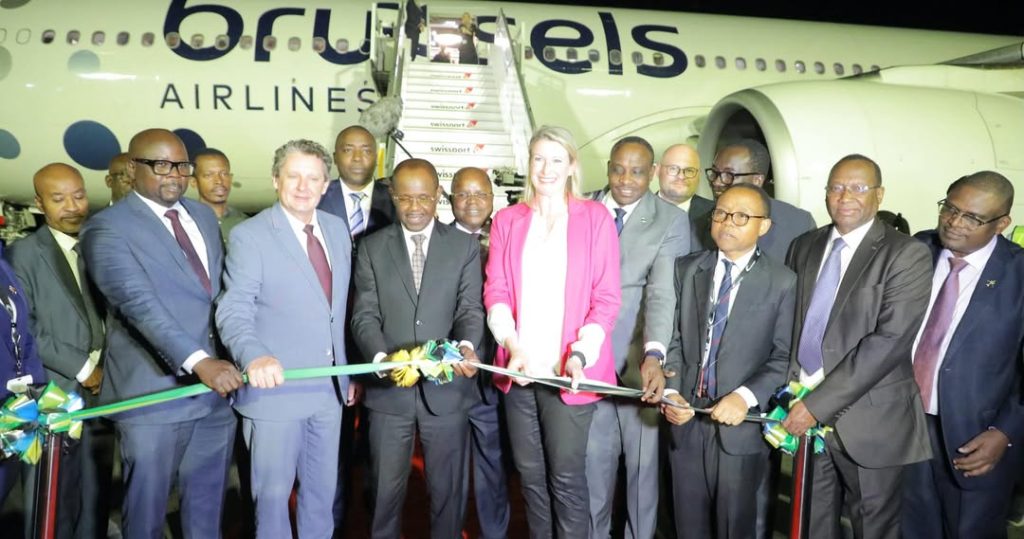
The national carrier of Belgium, Brussels Airlines, officially touched down in the land of Kilimanjaro on Wednesday, 3 June 2026, marking its 18th destination across sub-Saharan Africa and reinforcing East Africa’s growing importance within the airline’s international network.
The inaugural flight, operated by an Airbus A330-300, received a ceremonial water salute upon arrival at Kilimanjaro International Airport (KIA), symbolizing the beginning of a new chapter in Tanzania’s tourism and aviation sectors.
The new route will operate twice weekly on Wednesdays and Saturdays, connecting Brussels to Kilimanjaro before continuing to Nairobi, Kenya. The service provides travelers from Europe with easier and more direct access to Tanzania’s globally renowned tourism attractions, including Mount Kilimanjaro, Serengeti National Park, Ngorongoro Conservation Area, Tarangire National Park, and Zanzibar.
Strengthening Tanzania’s Position as a Global Tourism Destination
The introduction of Brussels Airlines into northern Tanzania represents more than just a new flight connection. It is a strong vote of confidence in Tanzania’s tourism potential, growing international demand, and strategic importance as one of Africa’s leading safari and adventure destinations.
Improved international air connectivity remains one of the key drivers of tourism growth worldwide. Direct and convenient flight access significantly influences traveler decisions, destination competitiveness, and overall visitor experience.
For Tanzania, the Brussels – Kilimanjaro route opens new opportunities in several critical areas:
- Increased tourist arrivals from Europe
- Expansion of luxury and mid-range safari markets
- Growth in business and conference tourism
- Enhanced multi-destination East African travel circuits
- Improved accessibility for investors and international travel trade partners
The route is also expected to stimulate local economic activity through increased demand for accommodation, tour operations, airport services, transport, hospitality, conservation tourism, and community-based tourism initiatives.
Kilimanjaro: The Gateway to Tanzania’s Northern Tourism Circuit
Kilimanjaro International Airport serves as the main gateway to Tanzania’s famous Northern Safari Circuit, home to some of Africa’s most iconic wildlife and natural attractions.
Travelers arriving through KIA can easily access:
- Mount Kilimanjaro – Africa’s highest peak and one of the world’s most famous trekking destinations
- Serengeti National Park – globally recognized for the Great Wildebeest Migration
- Ngorongoro Conservation Area – a UNESCO World Heritage Site
- Tarangire National Park – known for its elephant population and baobab landscapes
- Lake Manyara National Park – famous for tree-climbing lions and birdlife
The addition of Brussels Airlines strengthens Tanzania’s competitiveness within the international tourism market, especially among European travelers seeking authentic safari experiences, adventure tourism, cultural tourism, and sustainable travel experiences.
Growing Confidence in Tanzania’s Tourism Sector
The arrival of Brussels Airlines also reflects broader international confidence in Tanzania’s tourism recovery, infrastructure improvements, and destination marketing efforts.
In recent years, Tanzania has continued investing in:
- Airport expansion and modernization
- Tourism infrastructure development
- Conservation and wildlife protection
- International tourism promotion
- Public-private sector collaboration
- Aviation partnerships
The tourism sector remains one of Tanzania’s leading foreign exchange earners and a major contributor to employment, community livelihoods, and conservation financing.
As global travel demand continues to recover and evolve, improved international access plays a vital role in ensuring Tanzania remains competitive within the global tourism landscape.

The Role of TATO in Strengthening Tanzania’s Tourism Growth
The Tanzania Association of Tour Operators (TATO) continues to play a central role in supporting initiatives that strengthen Tanzania’s tourism ecosystem and international market access.
As the leading umbrella organization representing licensed tour operators in Tanzania, TATO works closely with government institutions, aviation stakeholders, tourism boards, conservation authorities, and international travel partners to position Tanzania as a world-class tourism destination.
1. Promoting Tanzania in International Markets
TATO actively participates in international tourism trade fairs, roadshows, and global tourism forums to market Tanzania’s tourism products and attract international visitors from key source markets, including Europe.
The arrival of Brussels Airlines aligns with TATO’s continued efforts to improve destination visibility and expand market reach.
2. Supporting Improved Air Connectivity
Air access remains critical to tourism growth. TATO consistently advocates for expanded international flight connections to Tanzania, recognizing that improved connectivity increases visitor arrivals, investment opportunities, and tourism competitiveness.
The new Brussels–Kilimanjaro route is expected to benefit hundreds of TATO member companies operating within the safari and hospitality sectors.
3. Strengthening Public-Private Partnerships
TATO works collaboratively with the Government of Tanzania, Tanzania Tourist Board (TTB), airport authorities, and international stakeholders to support tourism-friendly policies and infrastructure development that enhance visitor experiences.
4. Promoting Sustainable Tourism Growth
As visitor numbers grow, TATO continues to champion sustainable tourism practices that balance tourism development with conservation, community empowerment, and environmental protection.
The Association supports responsible tourism models that ensure tourism growth benefits both local communities and Tanzania’s protected natural heritage.
5. Enhancing Service Standards and Industry Competitiveness
Through training programs, industry engagement, and capacity-building initiatives, TATO helps strengthen professionalism and service quality across Tanzania’s tourism value chain.
Improved international connectivity increases global expectations, and TATO plays a key role in ensuring Tanzania’s tourism operators remain competitive within the international market.

A Positive Signal for the Future of Tourism in Tanzania
The launch of Brussels Airlines’ direct service to Kilimanjaro marks an important achievement for Tanzania’s tourism and aviation industries. It demonstrates growing international confidence in Tanzania as a safe, attractive, and high-potential destination for both leisure and business travel.
As global travelers continue seeking authentic wildlife experiences, cultural immersion, adventure tourism, and sustainable travel opportunities, Tanzania remains uniquely positioned to meet this demand.
With continued collaboration between government institutions, aviation partners, tourism stakeholders, and organizations such as TATO, Tanzania’s tourism industry is well positioned for sustained growth, stronger international connectivity, and greater global competitiveness in the years ahead


