TATO Takes Tourism to the Heart of Tanzania’s Vision 2050 Agenda as Private Sector Signs Joint Declaration with Government

The Tanzania Association of Tour Operators (TATO) has reaffirmed the tourism private sector’s commitment to Tanzania’s long-term national development agenda following a landmark engagement between the Government and the private sector on the implementation of the Tanzania National Development Vision 2050.
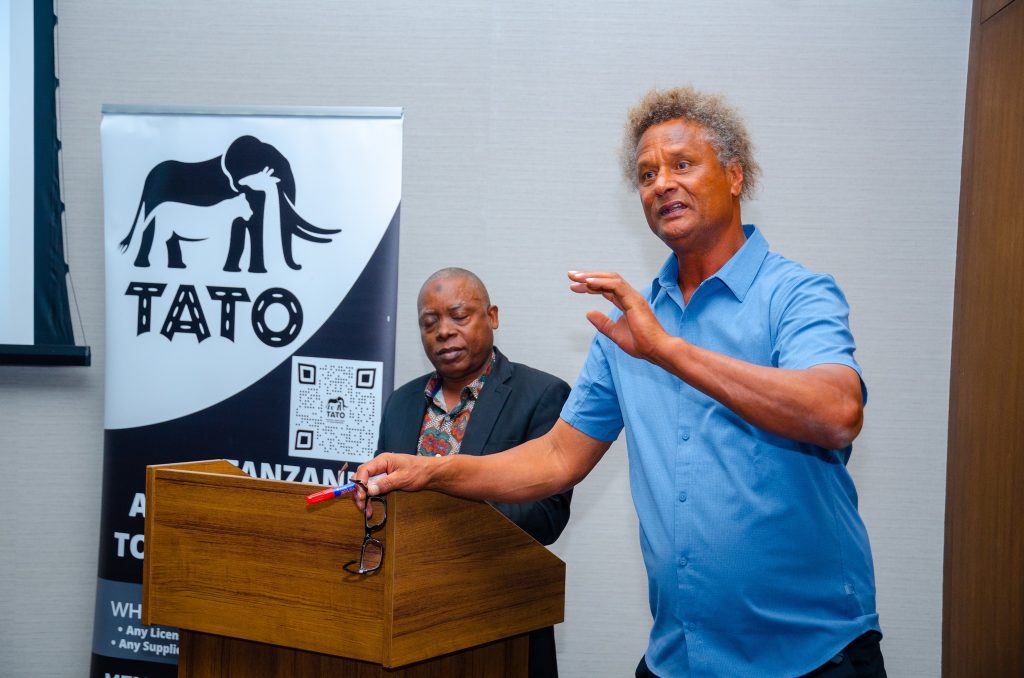
On 3 August 2026, TATO Chairman Dr. Wilbard G. Chambulo represented Tanzania’s tourism industry at a special meeting with Her Excellency Dr. Samia Suluhu Hassan, President of the United Republic of Tanzania, convened to discuss the implementation of Vision 2050.
Representing the tourism industry, Dr. Chambulo delivered the sector’s remarks and formally signed the Joint Declaration between the Government and the Private Sector for the implementation of Vision 2050.
For TATO, the occasion represents far more than a ceremonial commitment. It places Tanzania’s tourism industry firmly within the country’s long-term development conversation and provides an important opportunity for the private sector to help shape how tourism can contribute to Tanzania’s economic transformation through 2050.
Tourism at the Centre of Tanzania’s Long-Term Development Ambition
Tanzania enters the Vision 2050 era with a tourism sector that has demonstrated considerable resilience and economic significance.
According to the 2025 International Visitors’ Exit Survey, international tourist arrivals increased from 2,141,895 in 2024 to 2,294,495 in 2025, representing growth of 6.7 percent. Tourism earnings also reached a historic USD 4.41 billion in 2025, up from USD 3.90 billion in 2024—a 13 percent increase.
The figures demonstrate that tourism is not simply an activity centred around leisure and holidays. It is a major economic ecosystem connecting aviation, accommodation, transport, conservation, agriculture, food production, financial services, cultural enterprises, technology, employment and communities across Tanzania.
The same survey shows that 64.6 percent of visitors to Tanzania travelled primarily for leisure and holidays, confirming the country’s continued strength as a leisure destination while also highlighting the opportunity to broaden tourism into business, conferences, scientific tourism, cultural tourism, adventure tourism and other emerging segments.
Against this backdrop, the inclusion of tourism among the priority sectors under Vision 2050 is strategically important.
The ambition is not merely to attract more visitors. It is to build a tourism industry that is more competitive, more sustainable, more inclusive, more resilient and capable of generating greater value for Tanzania and its people.
A New Chapter in Public–Private Sector Partnership
One of the strongest messages emerging from the Vision 2050 engagement was the recognition of the private sector as a central implementation partner.
The Government has recognized that the private sector will be responsible for approximately 70 percent of the implementation of Vision 2050, placing significant responsibility on businesses, investors and industry associations to translate national aspirations into practical economic activity.
For tourism, this creates both an opportunity and a responsibility.
Tanzania’s private tourism sector has the capacity to mobilize investment, develop new tourism products, expand accommodation and transport infrastructure, create jobs, strengthen destination competitiveness and introduce innovations that can improve the visitor experience.
However, the private sector cannot deliver this transformation in isolation.
A successful tourism economy requires an enabling environment characterized by predictable policies, efficient regulatory systems, quality infrastructure, reliable air connectivity, effective conservation, access to finance, skilled human resources and strong collaboration between government institutions and industry.
This is why the Joint Declaration is particularly significant.
Its value will ultimately be measured not by the signing ceremony, but by how effectively its commitments are translated into clear responsibilities, practical actions, realistic timelines, adequate resources and measurable outcomes.

Why Vision 2050 Matters to Tanzania’s Tourism Industry
Vision 2050 presents Tanzania with an opportunity to rethink the scale and structure of tourism growth.
The objective should not simply be to increase arrival numbers. The more important question is how Tanzania can increase the economic value, local participation and long-term impact of every visitor.
The country’s tourism development can increasingly focus on:
- Increasing visitor spending and length of stay;
- Expanding tourism beyond traditional destinations and circuits;
- Strengthening domestic and regional tourism;
- Developing high-value and low-impact tourism products;
- Promoting cultural, culinary, adventure, wellness, conference and scientific tourism;
- Strengthening community participation in tourism value chains;
- Expanding private-sector investment;
- Improving infrastructure and destination accessibility;
- Enhancing skills and professionalism across the tourism workforce;
- Deepening conservation and environmental stewardship; and
- Using technology and data to improve destination management and marketing.
The latest tourism survey provides an important reminder of where investment and collaboration remain necessary. Visitors identified roads and other infrastructure, traffic congestion, airports, hotel facilities and social services among areas requiring continued improvement. At the same time, government investment in airports, roads, airstrips and tourism facilities is already supporting improvements in destination accessibility and visitor experience.
The task ahead is therefore to ensure that public investment and private investment move in the same strategic direction.
The Role of TATO: Representing Tourism in Tanzania’s Vision 2050
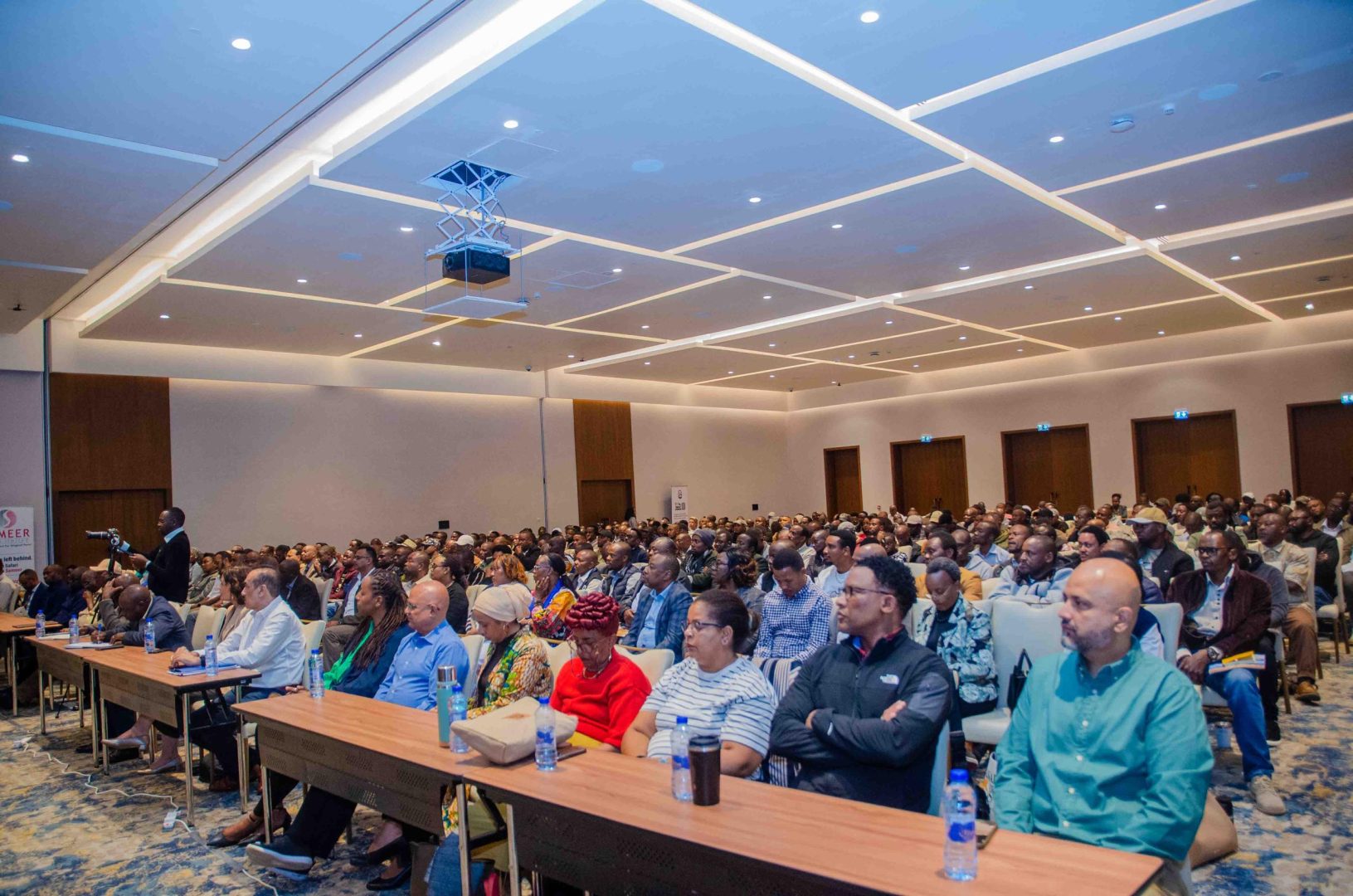
TATO’s participation in the Vision 2050 engagement reflects one of the Association’s fundamental responsibilities: ensuring that the voice, experience and priorities of Tanzania’s tourism private sector are represented in national policy and development processes.
1. Advocacy and Policy Representation
TATO serves as a collective voice for tour operators and the wider tourism business ecosystem.
By representing the industry at a high-level national platform such as the Vision 2050 engagement, TATO helps ensure that tourism-related opportunities and challenges are considered when national development priorities are translated into implementation programmes.
The Association’s role is particularly important because tourism businesses operate across multiple regulatory and economic areas, including taxation, conservation, immigration, transport, aviation, labour, infrastructure and investment.
2. Translating Vision into Practical Tourism Priorities
TATO’s responsibility does not end with signing the Joint Declaration.
The Association will continue engaging with government and other stakeholders to help translate the Vision 2050 agenda into practical actions that can strengthen Tanzania’s tourism competitiveness.
This includes advocating for an enabling business environment, efficient regulation, improved infrastructure, better connectivity, investment facilitation and policies that encourage sustainable tourism growth.
3. Strengthening Public–Private Sector Dialogue
The Vision 2050 engagement reinforces the importance of continuous dialogue between government and industry.
TATO believes that tourism policies are most effective when the private sector is involved not only during implementation, but also in policy design, consultation, monitoring and evaluation.
This approach enables policymakers to draw on the practical experiences of businesses operating on the ground and allows the industry to better understand national priorities and align investment accordingly.
4. Promoting Sustainable and Responsible Tourism
Tanzania’s tourism competitiveness is inseparable from its natural and cultural heritage.
The country’s wildlife, protected areas, forests, mountains, coastline, islands and cultural heritage form the foundation of its tourism economy.
TATO therefore recognizes that Vision 2050 must be pursued alongside conservation and responsible tourism.
The Association will continue promoting approaches that ensure tourism contributes to conservation, protects ecosystems and supports communities while maintaining high-quality visitor experiences.
5. Supporting Diversification and New Tourism Frontiers
One of the major opportunities for Tanzania under Vision 2050 is tourism diversification.
The country already possesses an extraordinary range of tourism assets—from the Serengeti and Mount Kilimanjaro to Zanzibar, the southern and western tourism circuits, cultural heritage, gastronomy, mountains, forests, lakes and coastal destinations.
The latest tourism sector assessment similarly identifies product diversification beyond traditional circuits as an important opportunity for the sector’s future resilience.
TATO can play an important role in encouraging tour operators to develop new itineraries and experiences that spread tourism benefits geographically and economically while reducing excessive concentration in a limited number of destinations.
6. Building a Competitive and Professional Tourism Workforce
A globally competitive tourism industry requires a skilled workforce.
TATO’s continued focus on training, capacity building, professionalism and knowledge exchange among tour operators and their staff is therefore directly aligned with the human-capital ambitions of Vision 2050.
From driver guides and mountain porters to destination managers, sales teams and tourism entrepreneurs, skills development will remain essential to improving service quality and Tanzania’s international competitiveness.
From More Visitors to Greater Value
Tanzania’s tourism story is increasingly moving beyond the question of how many visitors arrive to the more strategic question of what value tourism creates.
The growth in tourism earnings demonstrates the potential to increase the economic contribution of each visitor. In 2025, tourism earnings rose by 13 percent while international arrivals increased by 6.7 percent.
This is an important direction for Vision 2050.
Tanzania can pursue a tourism model where growth is measured not only through arrivals but also through:
visitor expenditure, length of stay, local employment, community participation, conservation financing, private investment, destination diversification and the quality of visitor experiences.
That approach can help tourism generate greater economic impact without relying exclusively on continuously increasing visitor volumes.
A Tourism Industry Ready to Deliver
The signing of the Joint Declaration represents a commitment from Tanzania’s tourism private sector to play its part in achieving Vision 2050.
For TATO, the message is clear: the tourism industry is ready to invest, innovate, create employment, support conservation, develop new products and contribute to Tanzania’s transformation into Africa’s leading tourism hub by 2050.
But ambition must be matched with implementation.
The next phase should therefore focus on converting the Joint Declaration into a practical framework for action—one that identifies tourism priorities, defines responsibilities between the public and private sectors, establishes measurable indicators and creates mechanisms for regular review and accountability.
A Shared Responsibility for Tanzania’s Tourism Future
The representation of TATO at the meeting with President Samia Suluhu Hassan is a recognition of the important role tourism plays in Tanzania’s development—and of the private sector’s responsibility in delivering the country’s long-term aspirations.
It is also a reminder that Vision 2050 belongs to all Tanzanians.
For the tourism sector, that means ensuring that the country’s extraordinary natural and cultural assets are transformed into sustainable economic opportunities while remaining protected for future generations.
TATO Chairman Dr. Wilbard G. Chambulo’s signing of the Joint Declaration on behalf of the tourism industry therefore carries a responsibility that extends well beyond the event itself.
It is a commitment to work with Government, conservation authorities, development partners, communities and the wider private sector to ensure that Tanzania’s tourism industry becomes more competitive, inclusive, resilient, sustainable and globally respected.
As Tanzania looks toward 2050, TATO remains committed to ensuring that tourism is not merely a beneficiary of national development—but one of the sectors actively driving it.


