Regenerative Tourism in Tanzania: Smart Strategies to Balance Growth and Elevate Every Safari Experience

Across the global tourism landscape, the conversation is shifting. The industry is no longer focused solely on sustainable tourism – reducing harm and preserving what exists – but is increasingly embracing a more ambitious concept: regenerative tourism. This approach challenges destinations and stakeholders to go further by asking a powerful question: Can tourism actively improve the places it touches?
For Tanzania, a country endowed with world-renowned attractions such as the Serengeti National Park, Ngorongoro Conservation Area, and the cultural heritage of Stone Town, this shift presents both an opportunity and a responsibility. As visitor numbers continue to grow, Tanzania is well-positioned to lead Africa in adopting tourism models that not only protect but also restore ecosystems, empower communities, and enrich visitor experiences.
From Sustainability to Regeneration: A Necessary Evolution
Tourism has long been a cornerstone of Tanzania’s economy, supporting conservation, creating employment, and generating foreign exchange. However, like many global destinations, Tanzania must carefully manage growth to avoid pressures associated with overcrowding, environmental strain, and cultural dilution.
Regenerative tourism moves beyond simply minimizing negative impacts. It focuses on:
- Restoring ecosystems through conservation-linked tourism
- Strengthening local economies by supporting community-owned initiatives
- Revitalizing cultural heritage through authentic engagement
- Creating meaningful travel experiences that benefit both visitors and hosts
This approach aligns naturally with Tanzania’s tourism identity, where wildlife conservation and community livelihoods are deeply interconnected.

Practical Strategies for Regenerative Tourism in Tanzania
1. Rethinking Travel Seasons
While Tanzania is a year-round destination, visitor flows often peak during the Great Migration season in the Serengeti. Encouraging travel during shoulder and off-peak periods can significantly reduce pressure on key parks while offering equally rewarding experiences.
Travelers visiting during quieter months benefit from:
- More exclusive wildlife encounters
- Lower accommodation rates
- Greater interaction with local communities
Destinations like Tarangire National Park and southern circuit parks become especially attractive alternatives during these periods.
2. Expanding Beyond Iconic Destinations
While northern circuit parks dominate itineraries, Tanzania offers a wide range of underexplored regions that can help distribute tourism benefits more evenly.
Encouraging visitors to explore areas such as:
- Ruaha National Park
- Nyerere National Park
- Mahale Mountains National Park
not only reduces congestion in high-traffic areas but also opens new economic opportunities for emerging destinations.
3. Promoting Tailor-Made and Low-Impact Travel
Independent and tailor-made travel experiences are increasingly aligned with regenerative tourism principles. Rather than moving in large groups, travelers can engage more deeply with destinations through:
- Private guided safaris
- Cultural immersion experiences
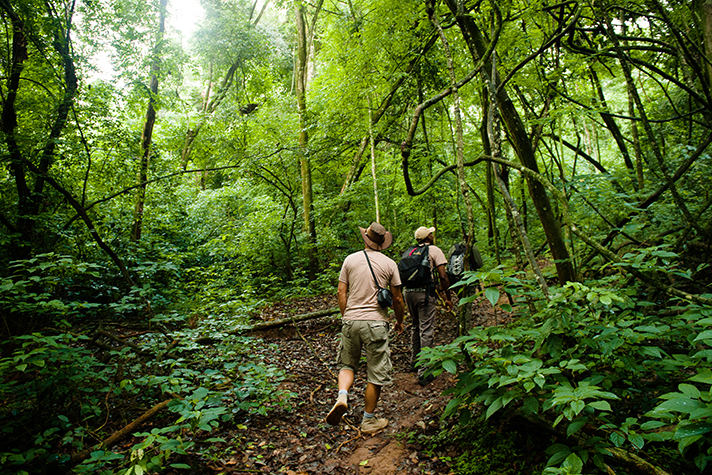
- Walking safaris and slow travel itineraries
This approach enhances authenticity, flexibility, and environmental responsibility, allowing travelers to connect meaningfully with Tanzania’s landscapes and people.
4. Supporting Local Communities and Enterprises
Regenerative tourism places strong emphasis on how tourism dollars circulate within the local economy. In Tanzania, this means:
- Staying in locally owned lodges and camps
- Supporting artisans and cultural tourism initiatives
- Hiring local guides with deep knowledge of the land
These choices ensure that tourism directly contributes to community development, cultural preservation, and poverty reduction, particularly in rural and conservation-adjacent areas.
Why Regenerative Tourism Matters for Tanzania’s Future
Tourism has the power to be one of Tanzania’s most transformative sectors—but only if managed responsibly. Regenerative tourism ensures that growth does not come at the expense of natural or cultural assets.
By embracing this model, Tanzania can:
- Strengthen its global competitiveness as a responsible destination
- Enhance visitor satisfaction and authenticity
- Safeguard its wildlife and ecosystems for future generations
- Build a more inclusive tourism economy
In essence, regenerative tourism transforms travel into a force for renewal rather than extraction.
The Role of TATO: Championing a Regenerative Tourism Future
The Tanzania Association of Tour Operators (TATO) plays a critical role in guiding the industry toward regenerative tourism principles.
1. Advocacy & Policy Leadership
TATO works closely with government and stakeholders to promote policies that support sustainable and regenerative tourism models, ensuring that growth aligns with conservation and community priorities.
2. Capacity Building & Industry Standards
Through training programs and professional development, TATO equips its members with the skills needed to deliver responsible, high-quality, and low-impact tourism experiences.
3. Promoting Responsible Travel Practices
TATO actively encourages operators to adopt practices that protect wildlife, respect local cultures, and reduce environmental impact, reinforcing Tanzania’s reputation as a sustainable destination.
4. Strengthening Community Inclusion
The Association advocates for tourism models that empower local communities, ensuring that they are active participants and beneficiaries of tourism development.
5. Global Positioning and Partnerships
By engaging in international platforms and collaborations, TATO helps position Tanzania as a leader in forward-thinking tourism, including regenerative approaches that are shaping the future of global travel.
A New Vision for Travel in Tanzania
Regenerative tourism is not just a trend – it is a strategic direction for the future of the industry. For Tanzania, it offers a pathway to balance growth with preservation, ensuring that tourism continues to deliver value for both people and the planet.
As the sector evolves, the focus is shifting from simply attracting visitors to creating journeys that give back more than they take. With the leadership of institutions like TATO and the collective commitment of stakeholders, Tanzania is poised to redefine what meaningful travel truly looks like.


